

In the summer of 1968, I was working in the farm department of KXJB-TV in Fargo. One Saturday, I took the station’s film camera and my fiancée, Peggy, for a drive in the country. We stopped in Hawley, Minn., and I shot footage of a rodeo.
Later that day, I processed the film, wrote a story and left it on the news producer’s desk. I wondered if it would make the evening news. A small-town rodeo wasn’t really news. Back then, rodeo wasn’t considered a sport either. But they did run my story. Later, someone said, “That’s the first time I’ve seen rodeo on television.”
A year later, I set up my own farm department at KXMB-TV in Bismarck. My wife, Peggy, and I were not really rodeo people, but we were horse people, and I knew there was a large horse culture in my audience. Still, news, sports and farm news were much more narrowly defined back then. Rodeo news didn’t fit into any of them.
So, I created a half-hour weekly television program called “The North Dakota Horseman.” I had found a 16mm film camera at a flea market that I carried in my car. If we went to a weekend horse event, I would shoot film. Often, I would lend the camera to someone who would shoot film for me.
My weekly program included filmed highlights of as many rodeos as possible. I included a calendar of upcoming rodeos and other horse events and the latest N.D. Rodeo Association standings. I had live guests. We talked about horse nutrition, hoof care and other veterinary concerns, about taking care of tack and what to look for when buying a horse trailer. I had sponsors, and management seemed pleased with my groundbreaking venture.
It didn’t last long, though. The TV station got sold. I transitioned across town to KFYR Radio and TV, where my workload didn’t leave time to produce and host a half-hour horse program, and management didn’t seem interested.
Thanks to the proliferation of cable channels and other services, it’s easy to find rodeo coverage on TV these days. But many would argue even now, the “sport of rodeo” doesn’t get the attention it deserves on local television evening news.
___
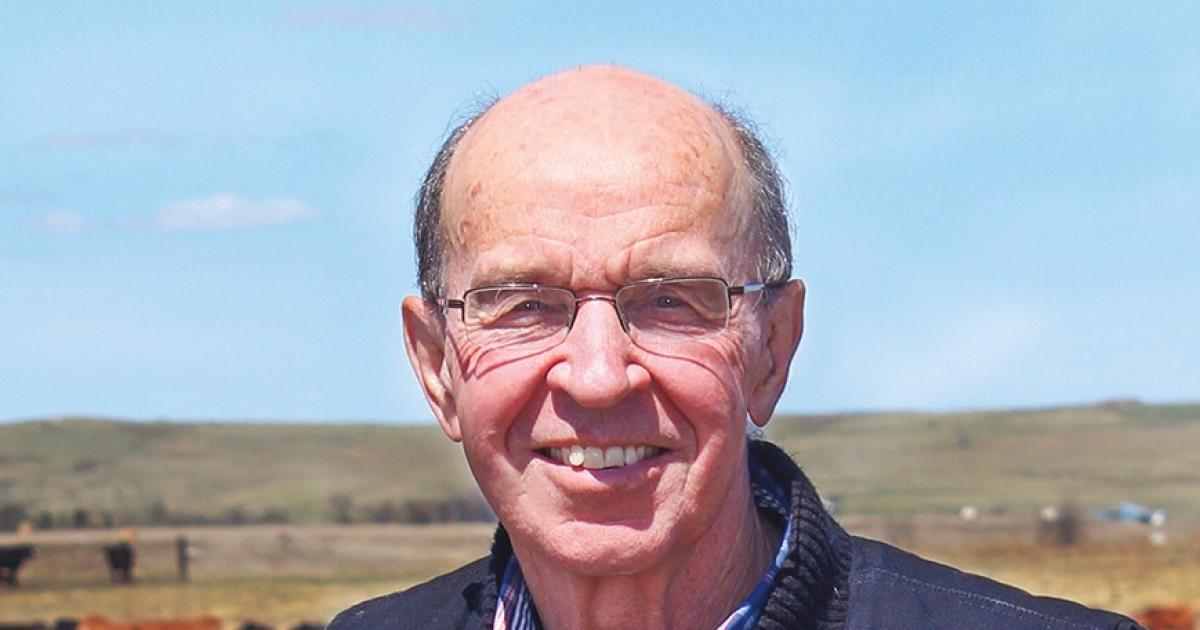
Al Gustin is a retired farm broadcaster, active rancher and a member of Mor-Gran-Sou Electric Cooperative.