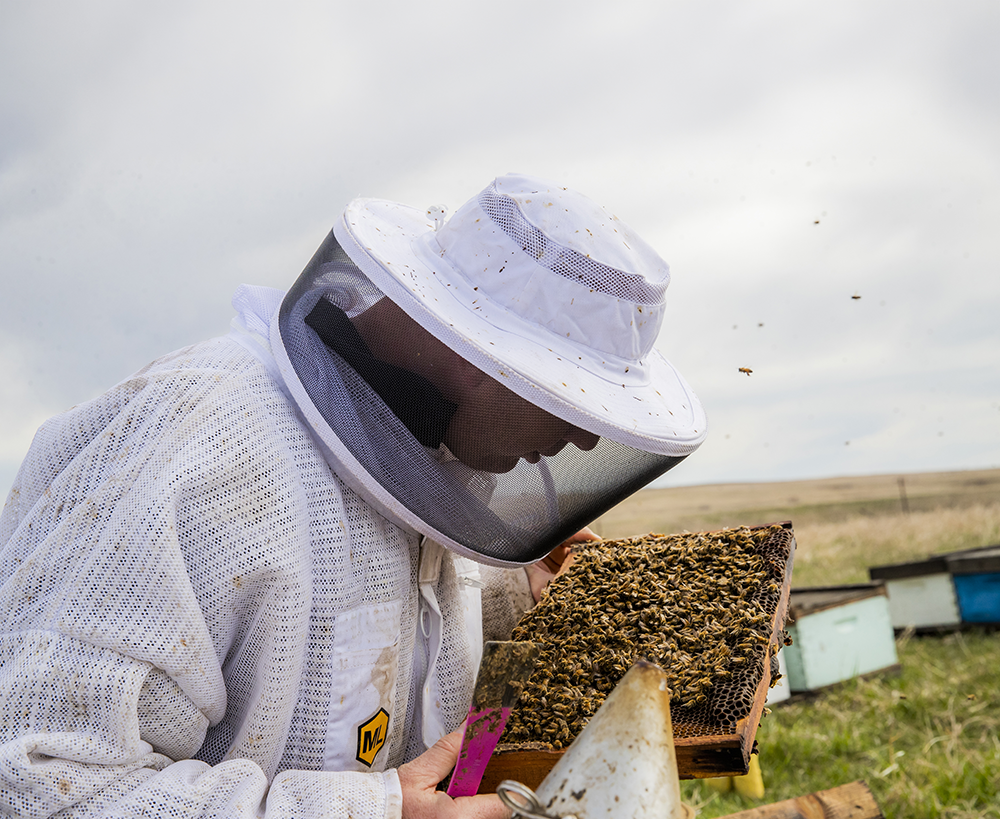

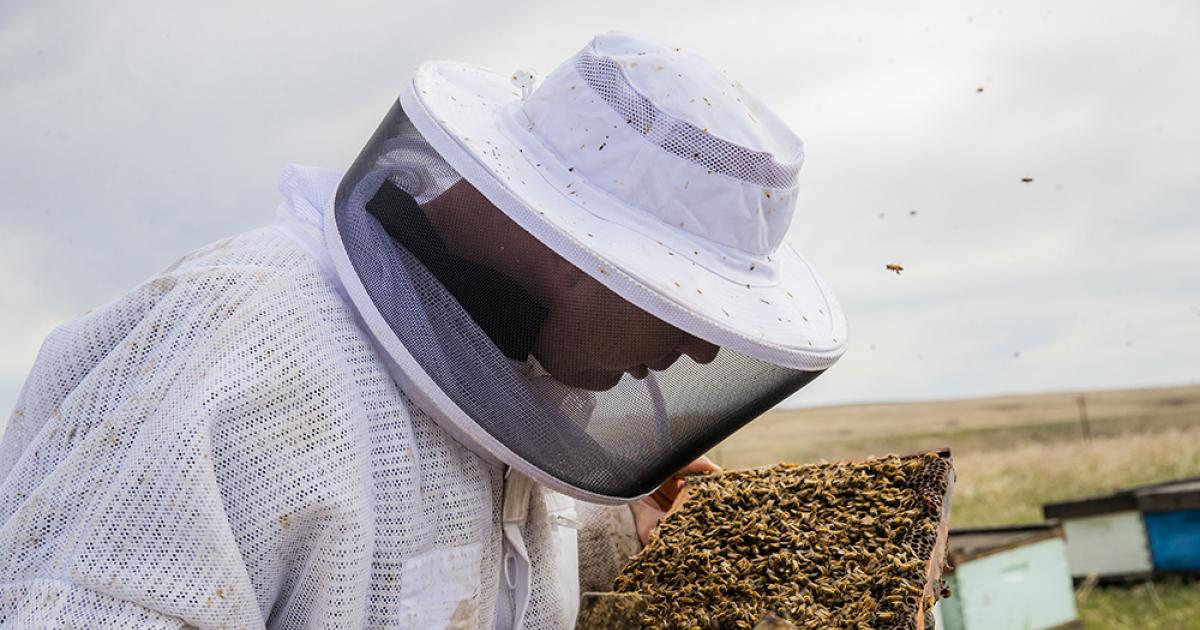
Thomas Hanna inspects a bee colony in one of his hives near Pick City, where the Hanna family has produced North Dakota honey for generations.
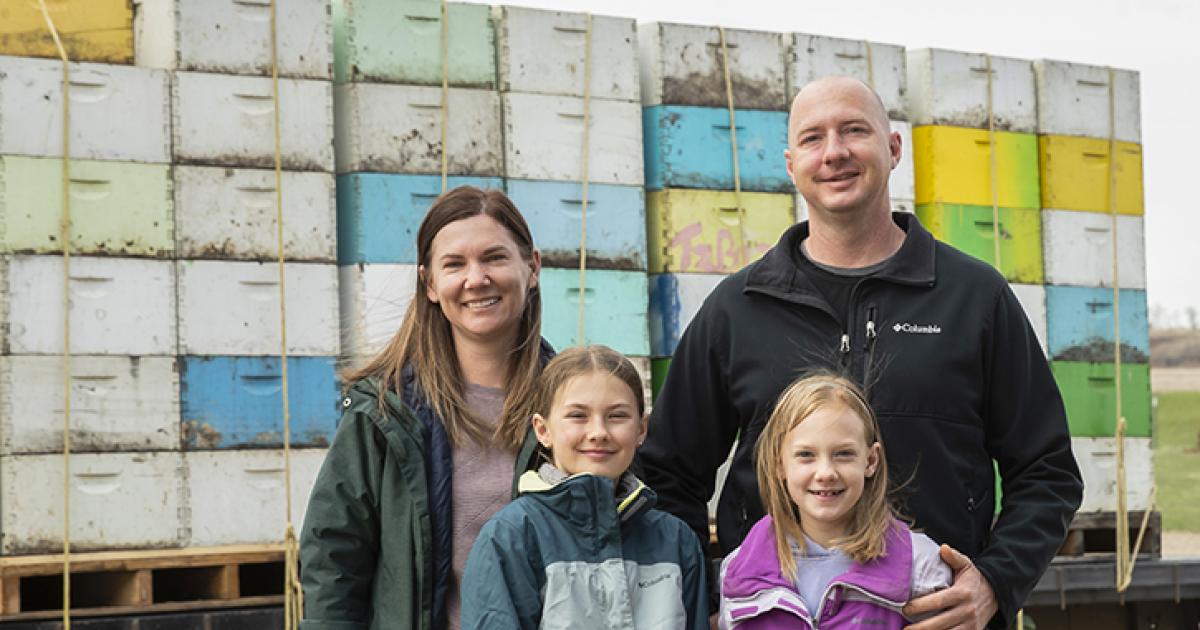
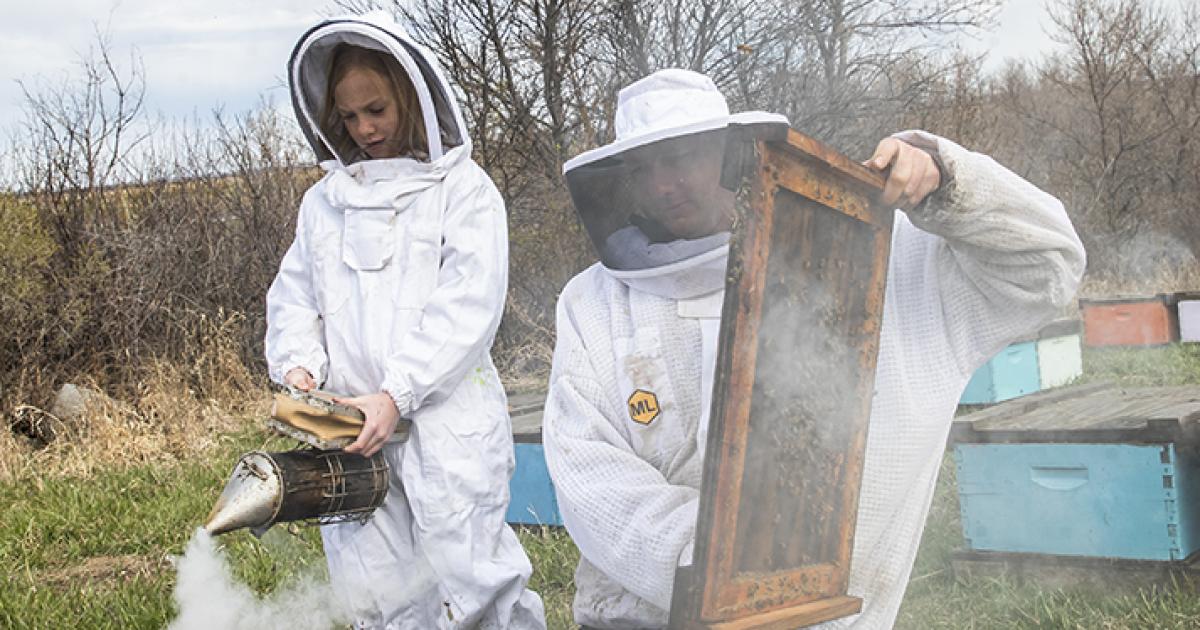
Each spring, Thomas Hanna walked alongside his father and grandfather, surrounded by the sweet scent of clover and the hum of hundreds of hives. There, he learned the rhythms of beekeeping, watching, listening and gaining hands-on experience all through high school. By 2009, he became a full-time beekeeper. Today, Thomas and his family continue their grandfather’s legacy at Hanna Honey Farm.
What began as a hobby in Lander, Wyoming, in 1968 grew into a successful honey operation when Thomas’s grandfather moved to Nebraska and expanded it into a commercial business. In the 1980s, his father and uncle continued that growth, relocating to North Dakota in search of more opportunity.
Known as the promised land for honey, North Dakota is the nation’s top producer. North Dakota’s acres of sweet clover, canola and alfalfa provide highly nutritious forage. And with the right balance of warm summer days and cool summer nights, conditions are perfect for bees to produce honey.
Large populations can be found in the Prairie Pothole Region in central North Dakota, where bees find diverse food in wetlands and grasslands.
Honoring the health of the hive
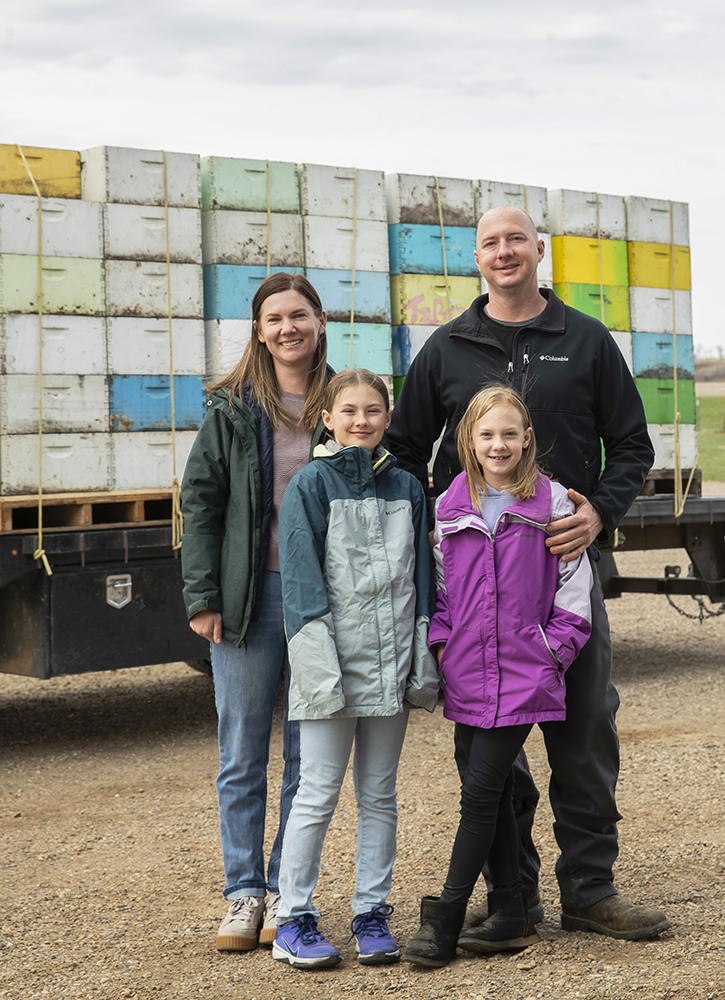
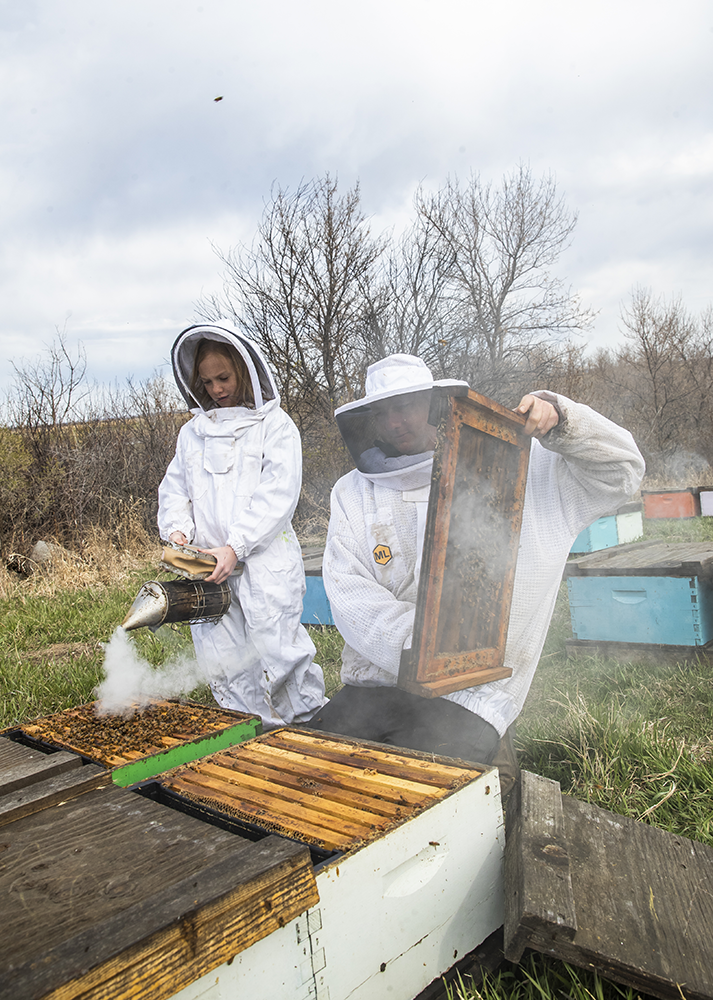
Each May, bees are carefully chauffeured back to Hanna Honey Farm by semitruck after a winter of pollinating almond orchards in California. On their farm near Pick City, Thomas and his wife, Ioana, and daughters, Madison and Audrey, take part in the business, just as he did.
“When I first met Thomas and he told me he had a honey farm, I thought, ‘Wait, aren’t bee hives just a hobby?’” Ioana says.
Soon after, she became a beekeeper’s wife.
Originally from Romania, she met Thomas in Riverdale, while she was a foreign exchange student. Today, she works as a nurse in Hazen while also helping run the family business.
Each spring, their work begins by building strong, healthy colonies, so they are ready to produce honey by mid-summer. Thomas checks each hive to make sure there is a healthy queen laying eggs.
“The queen is the foundation of the colony,” he says.
As more bees hatch, Thomas adds boxes, called supers, to give them more space. He also watches closely for signs of stress or disease. If flowers are not yet blooming, the bees are fed sugar water until they can find enough nectar on their own.
Beekeeping processes and pressures
Like all North Dakota agricultural producers, the Hannas face challenges. Weather, predators and pesticides all affect colony health.
Arachnids like the Varroa mite are considered one of the biggest threats. This tiny pest weakens bees by feeding on body fat and injecting pathogens that deform bee wings and affect their circulatory systems. If this happens, it creates a downward spiral and can lead to colony collapse.
“Because so many bees are in one area during bloom periods, disease and pest problems can spread quickly if you’re not staying on top of it,” Thomas says.
Over the years, the Hannas have adapted by spending more time in the field regularly identifying problems early. Being flexible with management and treatment also helps keep the colonies strong and protected.
Pesticides can also be dangerous. If bees bring contaminated nectar back to the hive, it can kill the queen bee. If she dies, it’s the end of the colony.
The queen earns her title. She lays up to 1,500 to 2,000 eggs per day. She also produces pheromones that regulate worker behavior, promote unity and prevent worker bees from rearing new queens.
In most cases, beekeepers often work with area farmers developing agreements so crop protection and pollinator health can coexist.
Harvesting more than honey
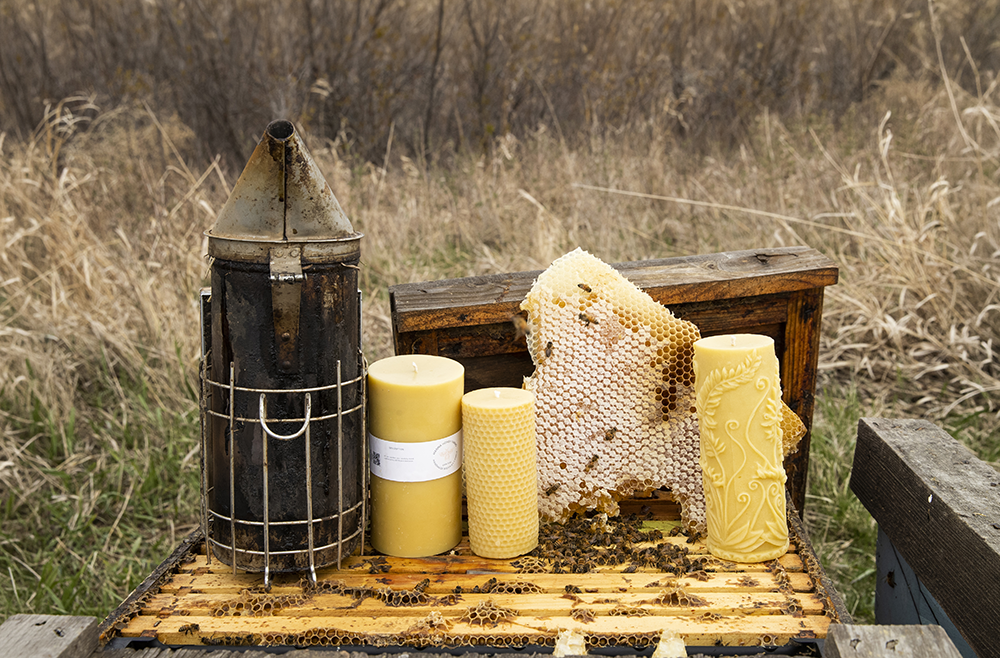
Through the years, the Hannas learned to use honey, bee pollen and wax, all produced by bees during the honey-making process.
“When people buy local honey or beeswax products from us, I hope they understand that every jar of honey is the result of a full season of checking hives, moving bees, watching the weather and making sure the colonies are healthy enough to produce,” Thomas says.
Hanna Honey Farm sells raw, unprocessed honey. This means it keeps its natural color, nutrients and enzymes. Unlike processed honey, it’s not heated or heavily filtered.
Toward midsummer, the Hannas start the honey harvest. The process involves removing the wax-capped frames from the hive and then spinning the honey free in an extractor. They then strain and bottle it right on the farm. Reliable electricity from Roughrider Electric Cooperative keeps the extraction and processing equipment running smoothly as the honey moves from hive to jar.
Thomas says people often wonder about honey that’s crystallized, but he says it’s a good sign. It signals the honey is pure. And if stored properly, honey never expires.
“That’s why local honey matters. It hasn’t been heavily processed or blended with honey from other places,” Thomas says. “It still has its natural character, and you can taste the difference from year to year, depending on the flowers and conditions.”
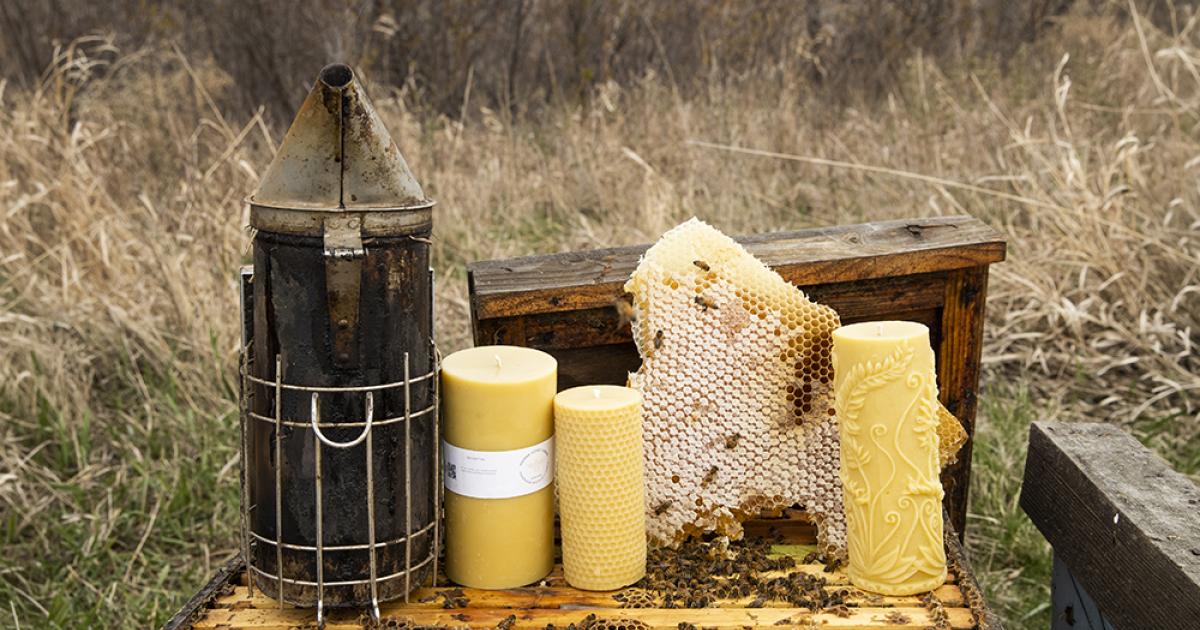
Recently, the Hannas expanded their use of the hives. After joining Pride of Dakota in 2023 and learning more about value-added products, Ioana began making ornate candles from beeswax, which are a popular part of the business.
“With more people turning toward natural, nontoxic products, they quickly became a strong success for us,” Ioana says. “The candles burn clean, last longer and have a light honey scent.”
Their commitment to family, nature and to using all parts of the hive have been huge drivers of Hanna Honey Farm’s success.
This summer, you can find the family at farmers markets in Bismarck and Minot, working together to keep building upon a family legacy that began nearly 60 years ago – one built on hard work, dedication and the unique sweetness of North Dakota honey.
Learn more about their products at hannahoneyfarms.square.site.
___
Clarice Kesler is the communications director for the North Dakota Association of Rural Electric Cooperatives, leading strategic communications including North Dakota Living, digital communications and media relations. She can be reached at ckesler@ndarec.com.
Honey production highlights
• North Dakota consistently produces more honey than any other state, often tripling the production of the next largest state. It has been ranked No. 1 in production since 2004.
• In 2024, bees produced more than 36 million pounds of honey, worth $67.8 million.
• The state hosts the highest number of honey-producing colonies in the nation, with 490,000 recorded in 2024.
• A significant portion of the honey is sourced from clover and canola, particularly in the north-central region.
___
Source: N.D. Department of Agriculture