How electric cooperatives are approaching data centers and other large electric loads

Angela Carlson, a director who serves electric cooperative members across the state, understands the importance of listening to community voices as cooperatives consider data centers and other large electric loads. Photo by NDAREC/Clarice L. Kesler
It’s Co-op Month!
Every October, National Cooperative Month recognizes the people and principles that make the cooperative business model unique. Electric cooperatives are part of that celebration.
For more than 90 years, North Dakota’s electric cooperatives, guided by people-first principles and a commitment to service over profit, have helped rural communities not only grow, but thrive. By meeting new challenges and seizing opportunities, electric cooperatives and their communities continue to prosper.
With growing data center interest, North Dakota’s electric cooperatives’ members-first approach uniquely positions them to serve the best interests of local communities across the state.
“Electric cooperatives were founded on the promise to provide reliable, affordable service to our members. The same principles that electrified rural North Dakota in the 1940s are how we are evaluating new projects of this size,” says Angela Carlson, president of the North Dakota Association of Rural Electric Cooperatives and Slope Electric Cooperative.
When electric cooperatives serve large loads, local tax districts see more benefits |
| In North Dakota, electric cooperatives pay an in-lieu-of property tax that is tied to electric sales. As electric use increases, so does the tax revenue generated through that formula. Those funds are collected by the state and redistributed to local taxing entities, including schools, counties, townships, fire districts and more. This means when a cooperative serves a large load such as a data center, local communities benefit twice through property tax. In addition to the property taxes paid directly by the facility, increased electricity sales generate additional tax revenue through the cooperative's in-lieu-of property tax. Unlike investor-owned utilities, whose tax obligations are primarily based on centrally assessed property values, the cooperative tax structure creates an additional source of property tax revenue for local communities to share more directly in the economic activity created by large electric loads. |
Powering the digital age
Every day, North Dakotans stream movies, store photos in the cloud, use online banking, shop online, access health records, navigate with GPS and more. Businesses, schools, hospitals and government agencies depend on data, too. The servers and facilities that store, process and deliver that information have been expanding for decades, keeping up with consumers’ increasing reliance on technology.
With this growing use, data companies are searching for places to locate their centers, including here in North Dakota.
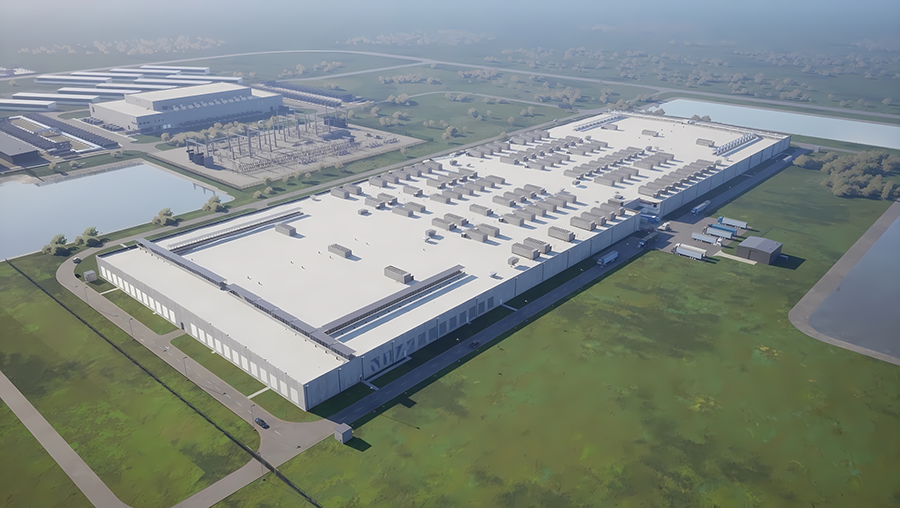
Data centers and other large electric loads are among rural America’s most significant economic development opportunities, but their scale, infrastructure needs and long-term system impacts require careful evaluation. A single data center may require as much electricity as an entire community. Some proposed projects could double the electric demand of the cooperative.
Serving large loads is not new for electric cooperatives. For decades, cooperatives have powered growing industries, from agricultural processing plants to oil and gas development, while keeping members’ best interests at the center of each decision.
Today’s data centers may be larger than past projects, but the cooperative approach remains the same. Unlike many other business models, electric cooperatives have an obligation to provide electricity to those within their territories. That means meeting new energy needs while carefully managing costs and risks to protect the entire membership.
Led by local people
For decades, North Dakota electric cooperatives have made significant long-term investments in the communities they serve. But each cooperative is unique, with different resources, growth opportunities and community needs. What works for one may not work for another. Decisions about large loads are best made locally by elected cooperative directors who know their communities and are accountable to the members they represent.
“One size does not fit all when considering large electric loads. We need people living in these communities, elected by their peers, to make these decisions,” Carlson says.
Because cooperatives are member-owned and not-for-profit, decisions are guided by member value and community benefit. Investor-owned utilities operate under a different model, balancing service obligations with shareholder returns. At cooperatives, local directors are elected by their neighbors. Decisions are driven, not by profits, but by the value of the service provided to members and communities.
Electric cooperatives are sophisticated utilities that operate a massive statewide electrical system driven by skilled professionals; decisions are supported by in-depth engineering studies, financial analysis and coordination throughout a vast electric network.
Generation and transmission cooperatives Basin Electric Power Cooperative and Minnkota Power Cooperative, along with electric regional planning organizations, help evaluate how potential projects might affect the entire electric grid and forecast the amount of power needed to provide reliable service, planning decades in advance of growth.
Protecting existing members
Reliable, affordable electricity is the core mission of every electric cooperative. Growth is welcome, but not if it comes at the expense of the members who already own and rely on the system.
To help ensure that outcome, Basin Electric and Minnkota Power have developed large load programs specifically designed to protect consumer-members from the costs and risks associated with serving major new customers. These programs are built on a simple principle that asks large loads to pay their own way so existing members do not bear the costs created by a new project.
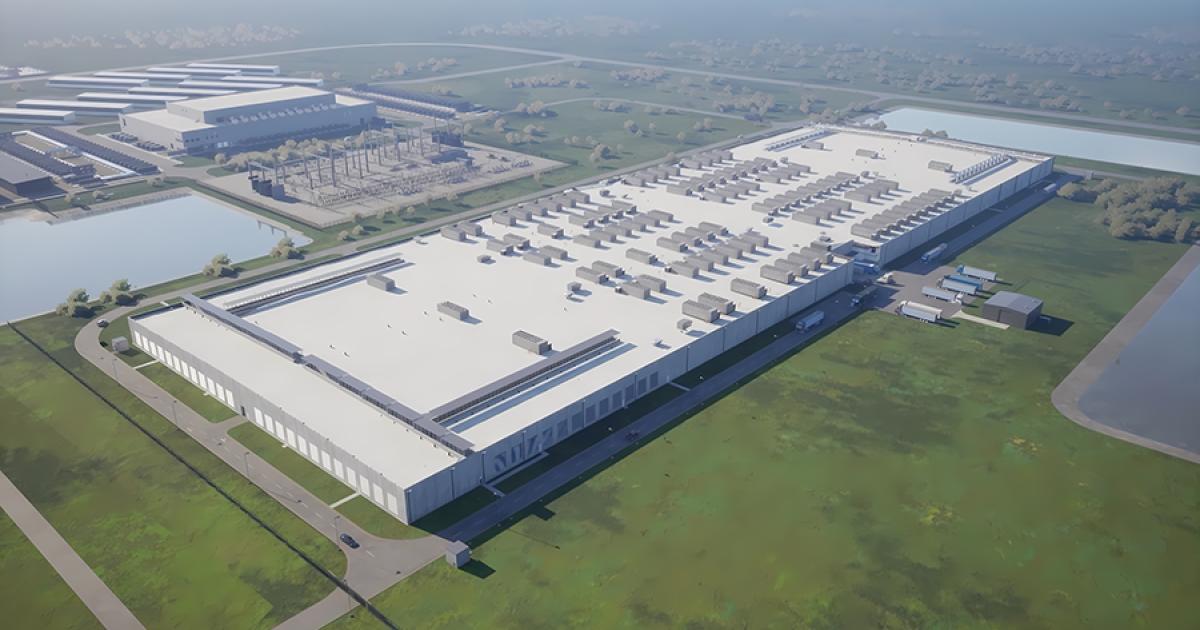
When Cass County Electric Cooperative (CCEC) in Fargo agreed to service Applied Digital’s 280-megawatt facility in Harwood, the largest electric load in its history and enough to double the co-op’s peak demand, the project was evaluated against the same principles.
Paul Matthys, CCEC president and CEO, says the co-op currently has the ability to serve Applied Digital’s data center without disrupting members or the grid.
“The board and I have worked in lockstep with our wholesale power provider, Minnkota Power Cooperative, to ensure reliability, affordability and member service remain steadfast for our legacy members and are not jeopardized by serving Applied Digital,” Matthys says.
The CCEC board set clear expectations from the start: Serving Applied Digital could not compromise reliability, load management or the cooperative’s financial health. The board also required financial guarantees and safeguards to protect legacy members.
“Communicating with and informing members is paramount. The board and I have made it a priority to keep members informed throughout the process. We have participated in town hall meetings, shared information through our monthly magazine, and discussed the process at our annual and member meetings. Together, we have worked to explain how the cooperative has mitigated risks while capitalizing on the benefits for our legacy members,” Matthys says.
Principles guiding electric cooperatives as they consider data center development |
| • Data center operators must pay their own way • Local control must be preserved • Affordable, reliable electricity is non-negotiable • Flexibility is essential • Coordination with cooperatives is critical |
Planning for growth
Data centers and other large electric loads sometimes require big investments in generation, transmission and distribution infrastructure. Electric cooperatives work to ensure these resources are available long before large new loads are connected.
That means looking beyond the initial request for service to future obligations, including contract terms, system upgrades and the financial safeguards needed to keep the cooperative whole.
Growth has always played an important role in keeping electric systems strong and efficient. When large loads pay their own way and are planned responsibly, the additional electric sales can help spread fixed costs across more users, keeping rates more stable.
For communities, these projects can also increase revenue through construction activity, employment, taxes and other local spending.
As interest grows in data centers and other large electric loads, electric cooperatives remain focused on the same mission that has guided them since they began – existing members come first. Through local decision making, a transparent process and thoughtful planning, cooperatives can pursue growth while staying true to their commitment to the communities they serve.
___
Clarice Kesler is the communications director for the North Dakota Association of Rural Electric Cooperatives, leading strategic communications including North Dakota Living, digital communications and media relations. She can be reached at ckesler@ndarec.com.
Hope Sisk is managing editor of North Dakota Living. She can be reached at hsisk@ndarec.com.