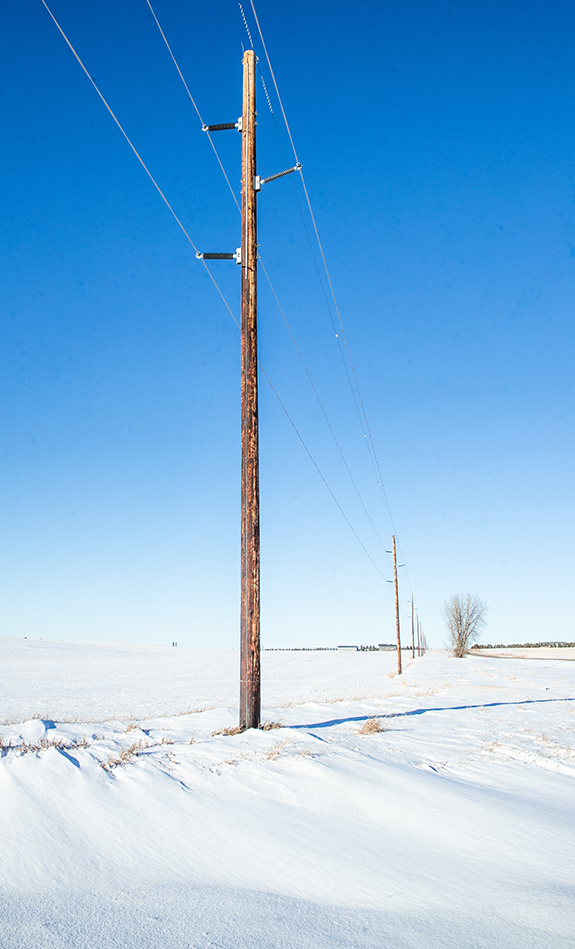
Forecasted rising electricity demand and a continued shift in the resource mix will affect the bulk power system (BPS) this winter, electric reliability watchdog the North American Reliability Corporation (NERC) states in its 2025-26 Winter Reliability Assessment.
While all areas have adequate resources for winter peak electric demand, extreme winter conditions extending over a wide area could result in electricity supply shortfalls, NERC says.
Those threats to reliability stem partly from a large number of fossil-fuel power plant retirements in the United States. Plus, winter electricity demand is rising at the fastest rate in recent years and is up 2.5% over last winter’s forecast, NERC reports.
“The addition of new resources, though significant, isn’t keeping up. Now more than ever, we need smart energy policies that keep the lights on and address this growing energy deficit,” National Rural Electric Cooperative Association CEO Jim Matheson says.
BPS resources are growing – particularly from demand response, which helps the electricity supply by reducing peak demand through shifting or cutting usage – but slower than demand is rising.
In extreme winter conditions, dispatchable generation, including coal and natural gas, is critical, because it is more reliable and less affected by extreme conditions.
“While coal represents a waning share of the overall resource mix, it continues to play an important role in meeting demand during extreme winter weather events, and oil inventories at dual-fuel gas-oil generators lessen risks related to natural gas deliverability in infrastructure-constrained regions, especially during the winter,” the NERC report states.
NERC notes freezing temperatures can threaten natural gas-based generation and fuel supplies, particularly in the southern regions. It urged natural gas utilities to prepare for severe cold and advised utilities and grid operators to require freeze-protection measures – which are already in place in colder areas of the country, including North Dakota – and other cold weather preparedness plans.
“Electricity demand continues to grow faster than the resources being added to the grid, especially during the most extreme winter conditions where actual demand can topple forecasts,” says John Moura, NERC’s director of reliability assessments and performance analysis. “This latest assessment highlights progress on cold weather readiness, but underscores that more work remains to ensure energy and fuel supplies can be reliably delivered even during the harshest conditions.”
___
Molly Christian, a staff writer for NRECA, contributed reporting to this story.