GIRL MEETS FARM
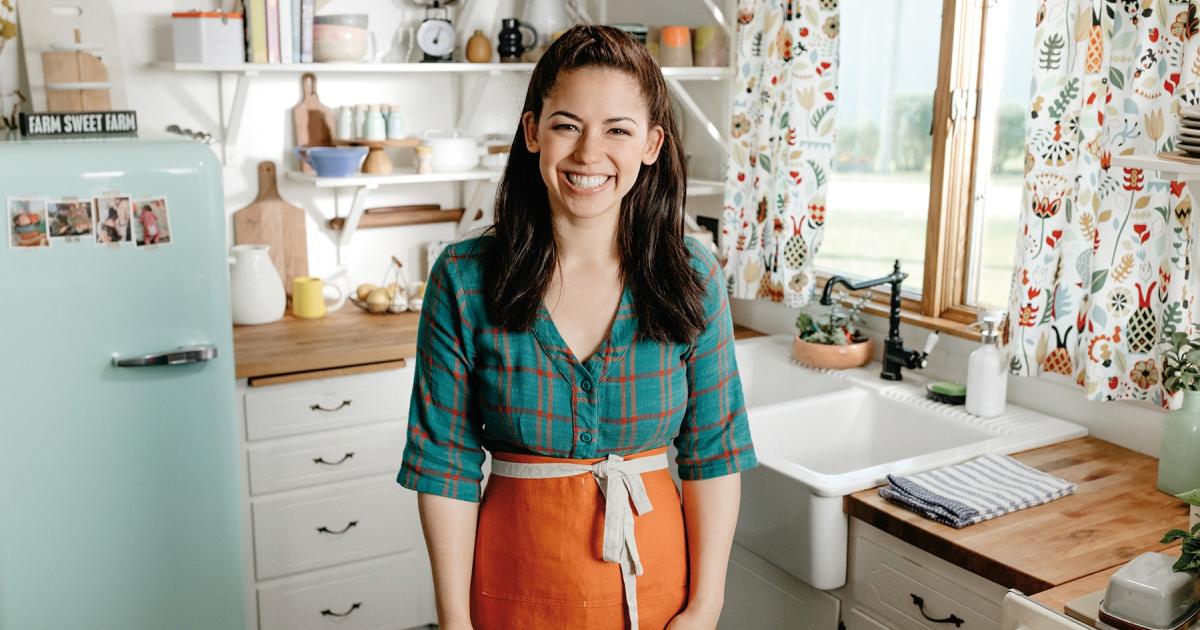
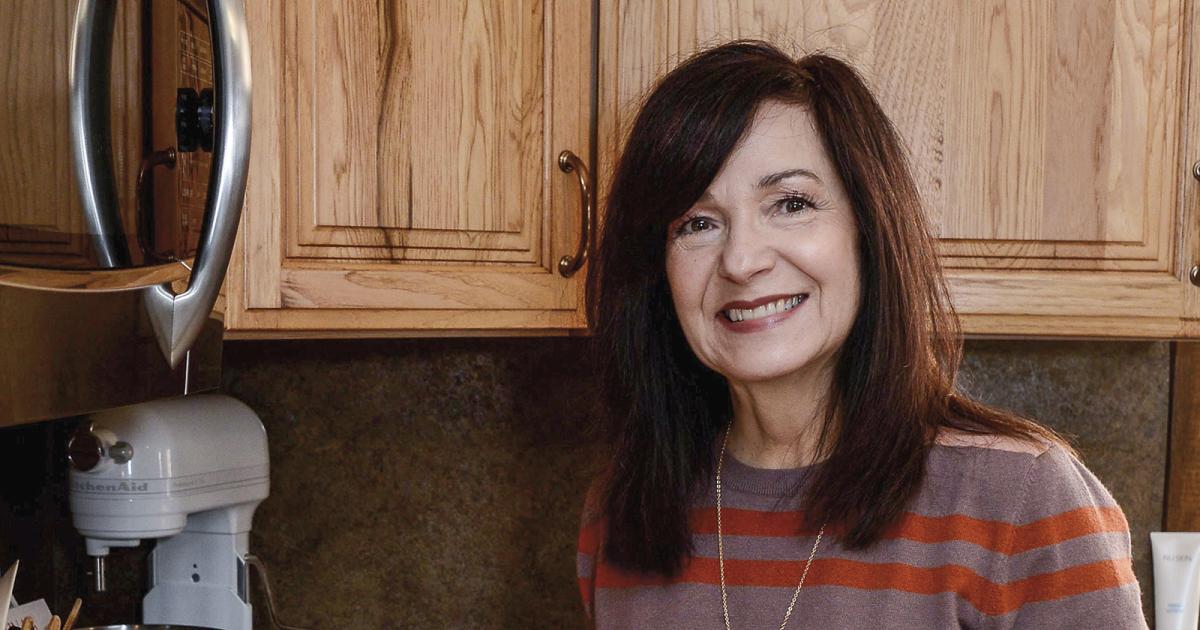
While in college, Yeh started a food blog, called “My Name is Yeh,” putting her passion for food and baking, like her mother, to work. The success of Yeh’s blog opened other doors. She wrote a cookbook, “Molly on the Range,” which led to the 2018 launch of her own television show on Food Network, “Girl Meets Farm.”
“Girl Meets Farm” takes viewers inside Yeh’s farmhouse kitchen, where she makes food that connects her Jewish and Chinese heritage to life on a Midwestern farm.
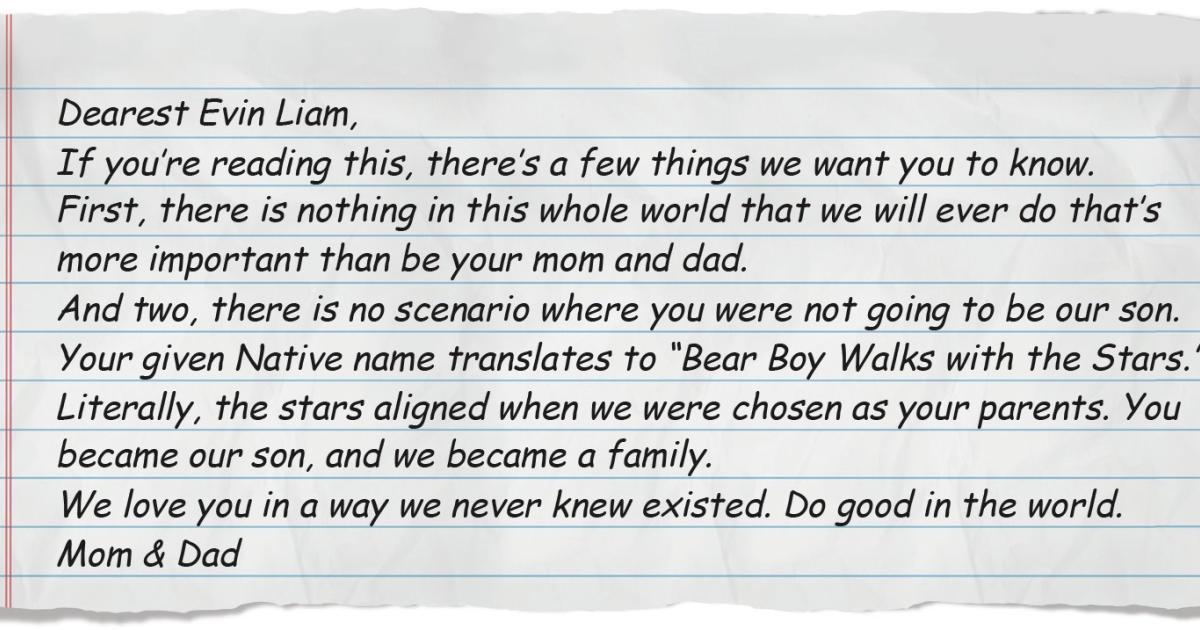
The Obans’ son, Evin Liam, has developed a friendship with the city’s waste management staff and a fascination with the garbage truck they drive. On trash pickup days, Erin makes sure to crack the front door open so Evin can wave and watch his friends work. The little boy often insists on delivering muffins or other baked goods to his friends. When muffins don’t happen, oranges suffice. Evin’s friends return the kindness, offering a toy truck or a ball to play with. Sometimes, they’ve even opened their wallets to hand him a dollar or two.
It’s not that strange, once you’ve done the research. Baker says he turned to “experts” at the University of Minnesota, for their preliminary peanut research, and University of New Mexico, because most organic peanuts are grown in New Mexico and west Texas. He also learned of a group of about a dozen farmers in the Niagara Region of Ontario who were producing peanuts.
Baker even sent a letter to the Peanut Bureau of Canada, which he found to be a top resource in his search.
“To this day, I appreciate it,” Baker says.
It’s the “benefit” of the Midwest tradition and definition. When one of their own falls down – be it from a life-altering accident, a devastating fire or a dreaded cancer diagnosis – North Dakotans have developed a reputation for helping neighbors get back on their feet.
After a mother-daughter-sister team experienced that giving spirit and North Dakota kindness firsthand through a family member’s illness, inspiration struck. In short order, their new business venture, Grateful Cratefulls, was launched.
CO-OP SHOPPNG
As described on its website, one of the BisMan Community Food Co-op’s guiding principles is, “Real food: We are what we eat.” That principle is reflected throughout the co-op store, where shoppers will find a high volume of organic products, sustainably raised meat and seafood, locally sourced produce, and a variety of specialty diet items, like gluten-free or vegan options. Food labels reveal local goods stock many shelves and coolers.
“From rather early on in this process, it became obvious that our rural grocery sector was in decline. And it wasn’t a slow, over time, kind of downturn – it was a rapid decline,” she says.
When NDAREC started the discovery phase in 2014, 137 grocery stores were operating in communities of 2,100 people or less. Five years later, as of August, there are only 98 operating full-service stores left. Of the remaining groceries,
16 are nonprofit or community-owned and 13 are financially strapped.
“We’ve always struggled out here on the prairie,” says Eric Hardmeyer, the current and 13th manager of the Bank of North Dakota. “It was that mindset that nobody’s going to look out for us except us, that feeling that we needed to take control of our own destiny. That’s what made the Bank of North Dakota.”
The North Dakota Living magazine, as it has been called since 2002, has changed throughout the years to meet the needs of its cooperative membership. Yet, there are portions of this publication that have become as institutional as the magazine itself. As the saying goes, “Why change a good thing?”
In May 1957, the popular “Recipe Roundup” was born. An excerpt from that issue of the North Dakota Rural Electric Magazine reads:
Starting with next month’s issue of the North Dakota Rural Electric Magazine, a new department for the ladies will be instituted.