North Central Regional Grocery and Food Hub gains momentum, acquiring donated commercial property in Velva
Photos by NDAREC/Kennedy Delap
A regional initiative aiming to transform the rural food system by helping small-town grocery stores stay open and expand markets for local foods is gaining momentum.
Since launching the North Central Regional Grocery and Food Hub project in August with a seven-year, $12.6 million Bush Foundation grant, a consultant has been hired, eight grocery stores have expressed interest in collaboration, local produce grower and meat producer subcommittees have been established, and steps are being taken to acquire a commercial property in Velva as a donation, with plans to use it as the food hub facility.
“Receiving the Velva property as a generous donation from the owners, who simply want to do good for their community and North Dakota, will keep more grant funding available for building improvements and other important project needs,” says Ellen Huber, rural development director for the North Dakota Association of Rural Electric Cooperatives (NDAREC), which is facilitating the initiative.
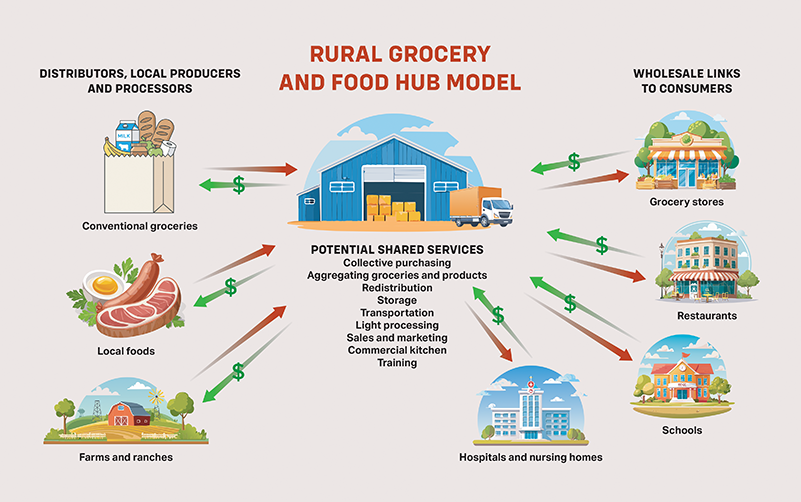
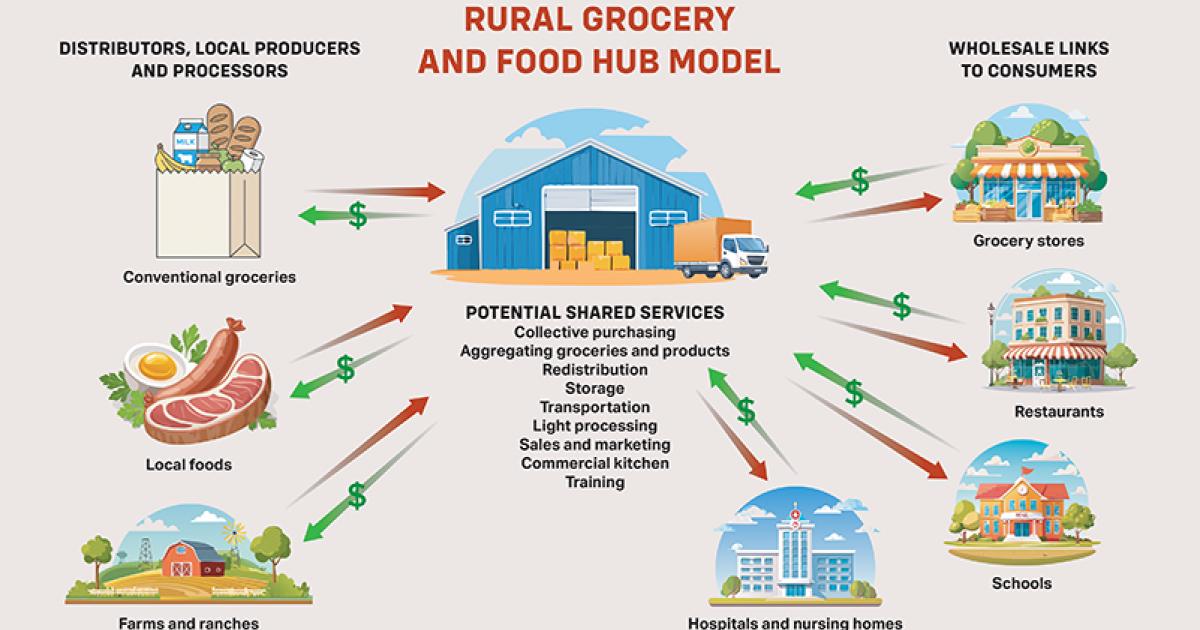
The facility will provide shared storage and distribution space for North Dakota-grown foods and products purchased cooperatively by rural grocery stores in the northcentral region. It will receive grocery products, combine and deliver orders for multiple small-town stores, and store and ship local farm products to rural communities. The overarching goal is to improve access to fresh, healthy and affordable foods by fostering collaborative purchasing and distribution of conventional groceries and local foods.
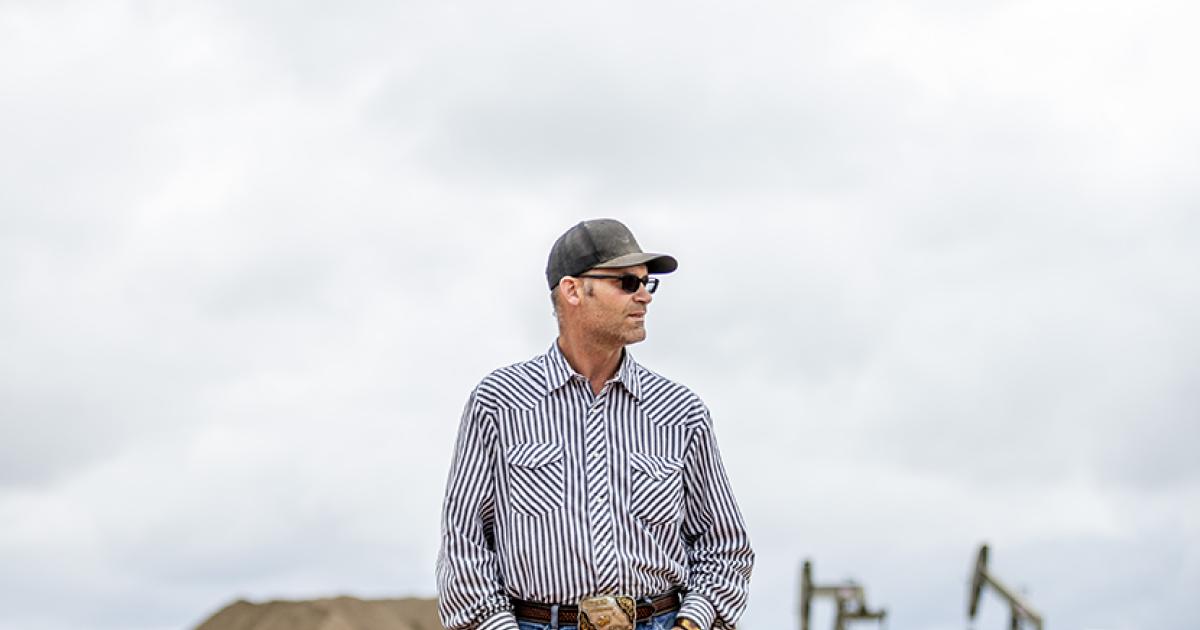
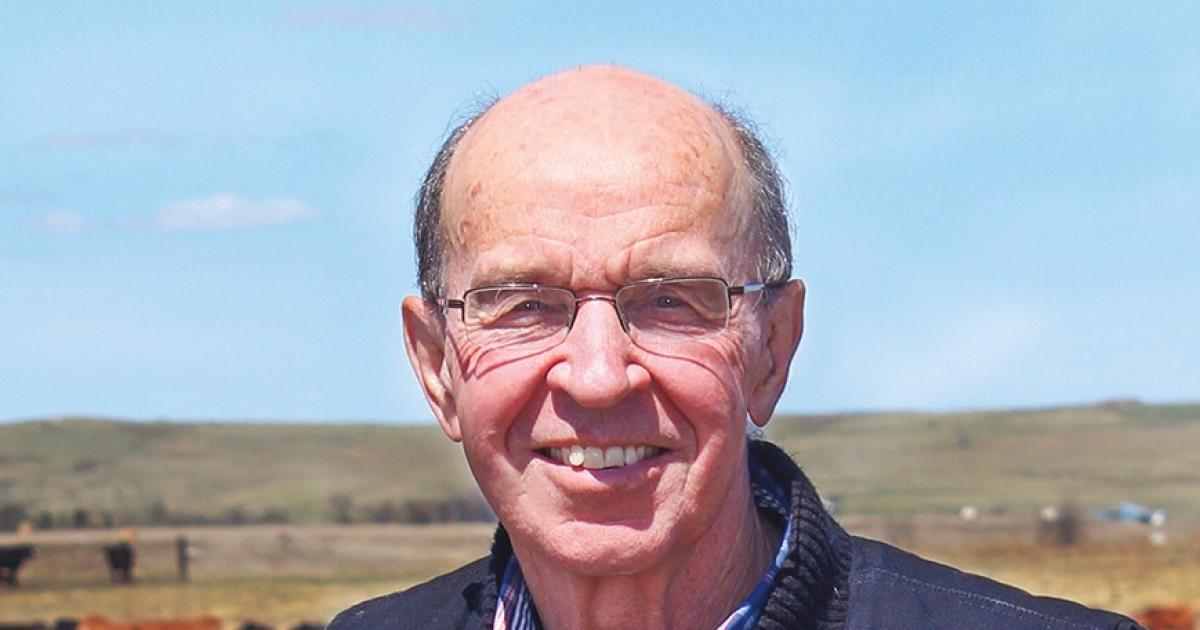
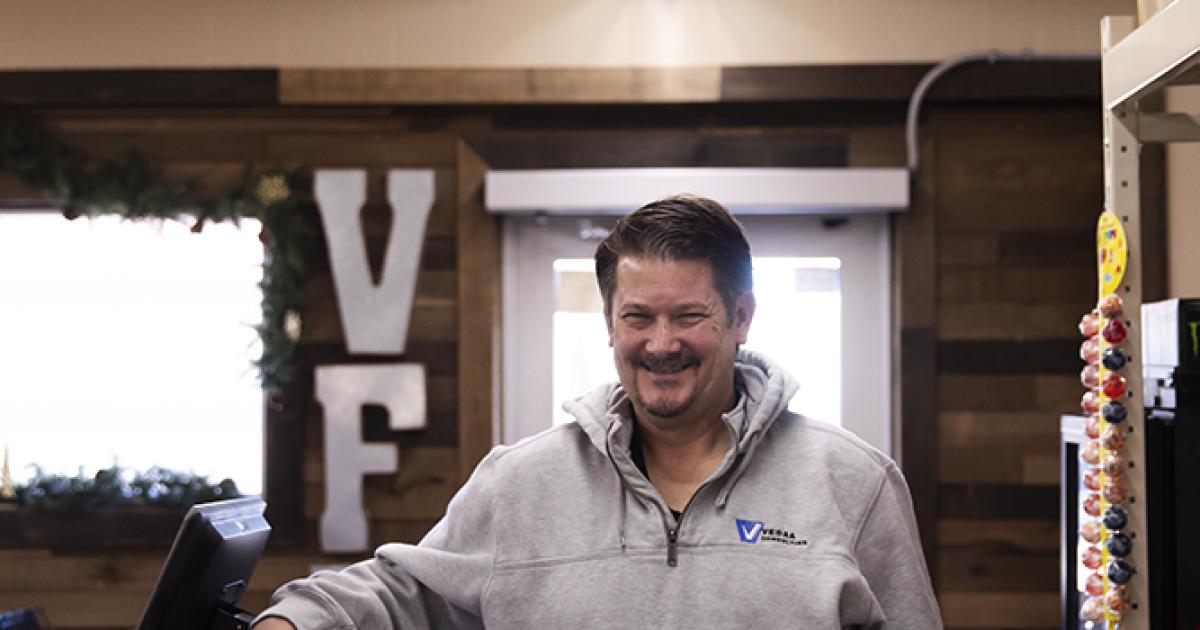
“We’re at the point now where we have to be bold. We have to take measures to make things work,” says Shawn Vedaa, a former state legislator and former grocery store owner from Velva who is the project’s lead consultant.
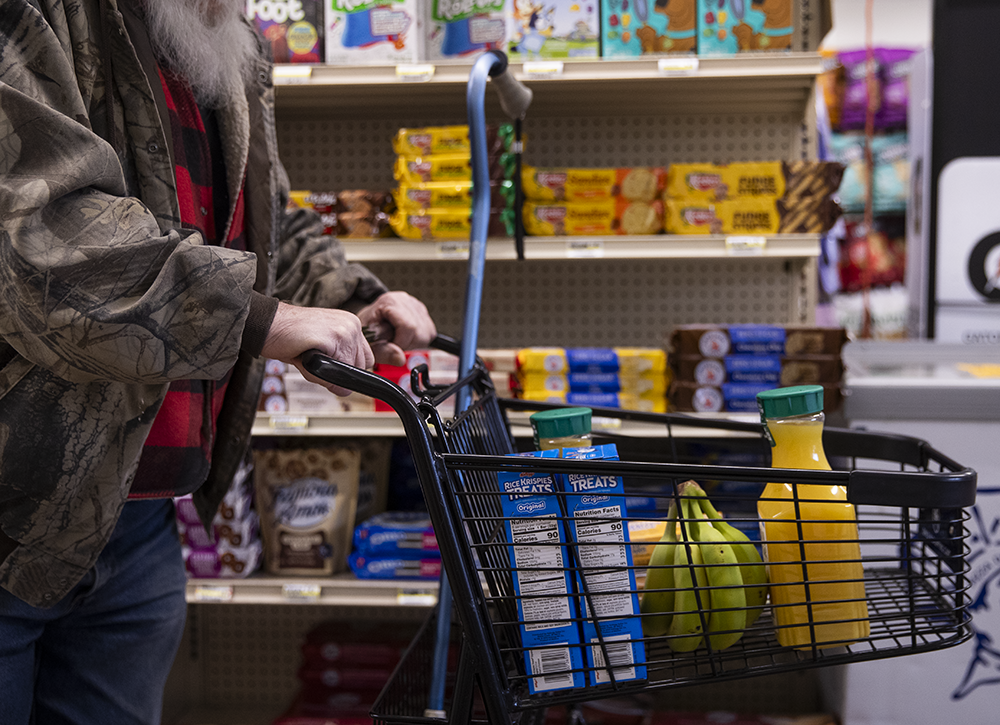
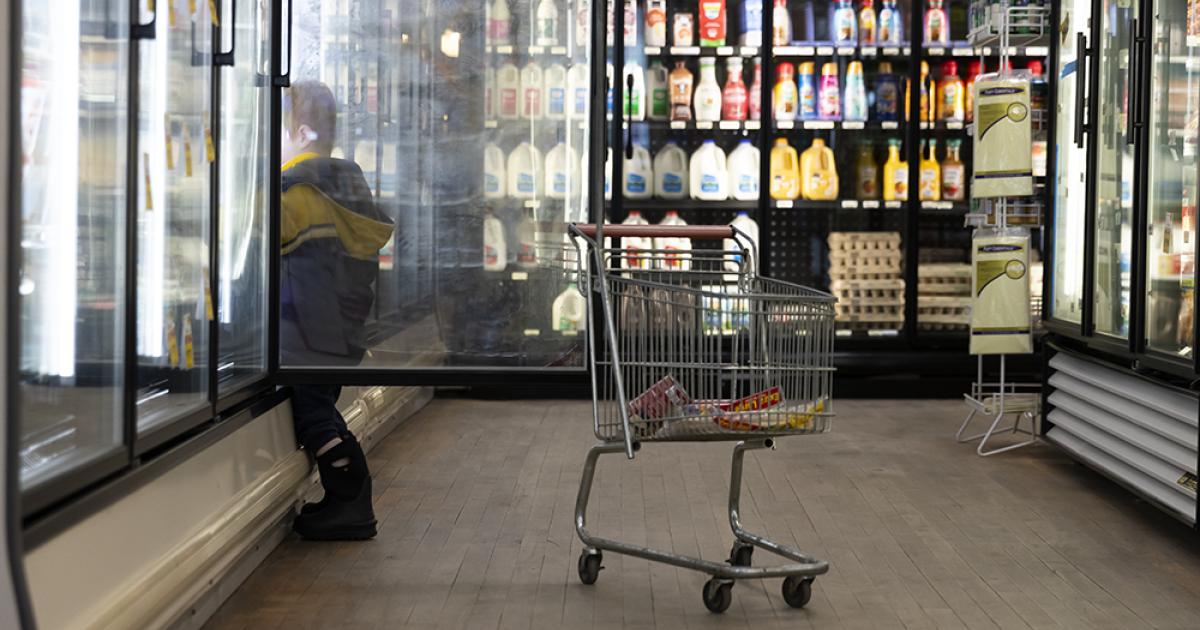
Since 2014, North Dakota has lost 34% of its rural grocery stores, leaving less than 90 today.
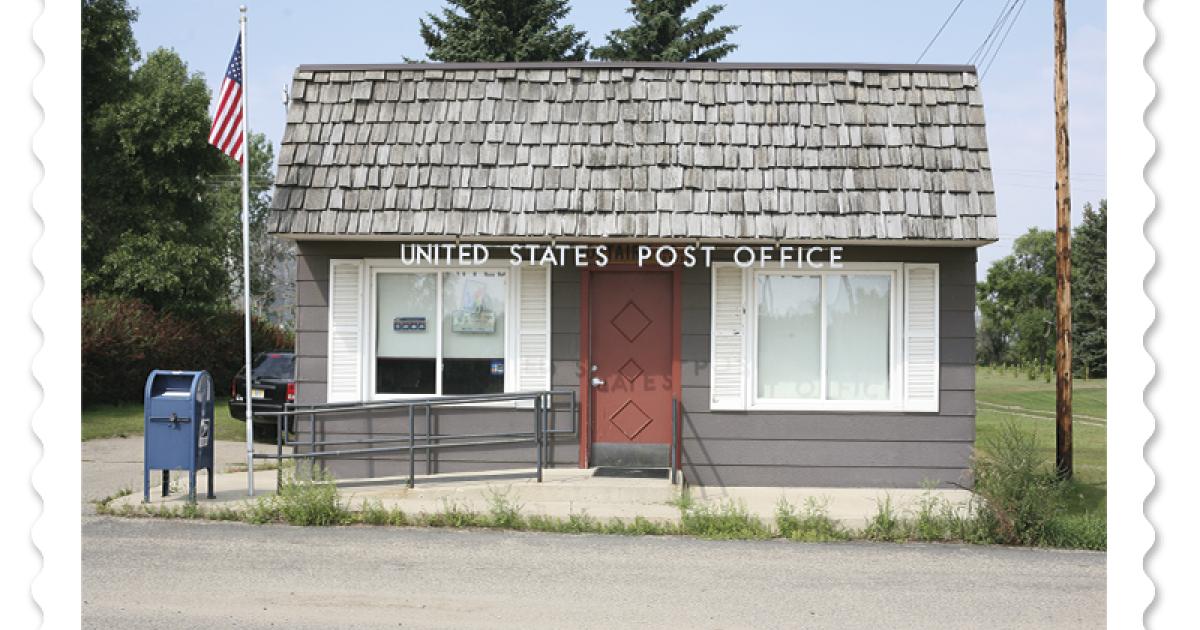
“I know small-town grocery stores can work if the pricing is right, and rural North Dakota, we’ve got kind of a gem here,” Vedaa says. “Living in a small town, I like knowing the postmaster and walking to the pharmacy, and when you come in the grocery store, you see the teachers from school and you know them all. And I think that’s something, you know, a guy from the rural area has always taken for granted. And I just hope that future generations get to take it for granted, too. That’s why this (project’s) important to me.”
THE GROCERY ASPECT
Vedaa learned about the retail and grocery business by watching his dad, who owned the grocery store in Stanley and made product deliveries almost daily to stores in Tioga and Powers Lake. The food hub will try to replicate one objective which worked for his dad: “buying big” and distributing out to smaller stores.
The food hub will buy larger quantities of groceries, then break those goods down into smaller orders and deliver them to the participating grocery stores. This could save stores both on their wholesale food costs and reduced transportation costs.
“The goal is to find the deal,” Vedaa says.
Price research reveals wholesale prices for rural grocery stores are sometimes double the retail price of the same product at a big-box store, Vedaa says.
Buying in larger quantities and redistributing products could also mean less waste and improved product availability.
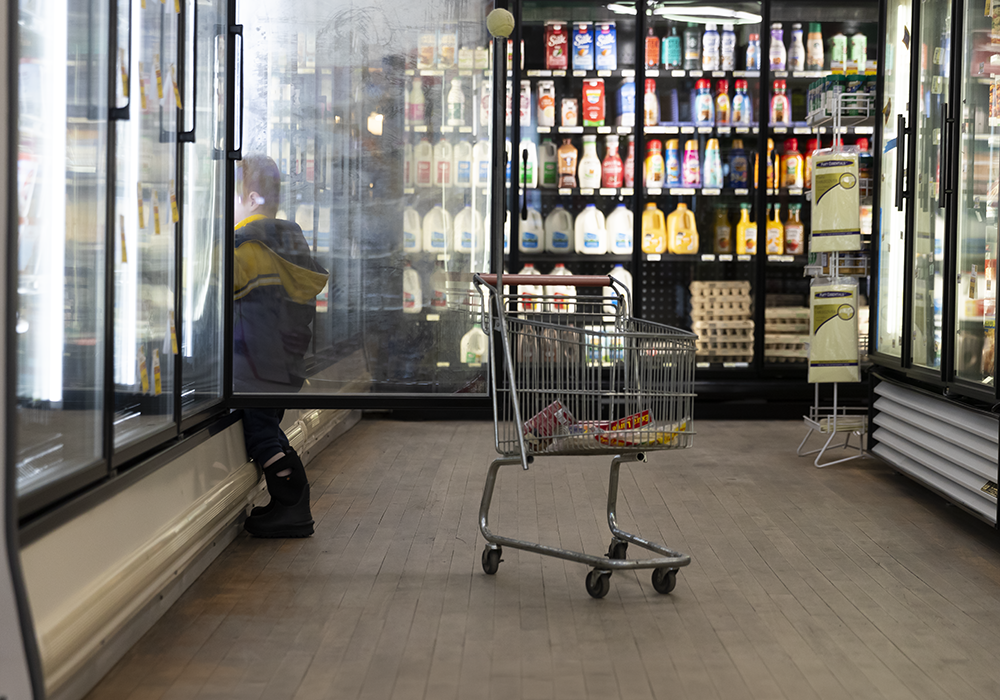
“Milk, for instance, is a really tough product because it’s short-dated. But also, if you don’t buy milk in bulk, you don’t get a good deal. And if a distributor has to bring it to your store and drop it off there, it gets to be a little more expensive,” Vedaa describes.
Another idea Vedaa has to help independent grocers is investing in a shared electronic shelf-labeling system, which could save stores an estimated $15,000 to $25,000 a year, he says. Though such a system would be too costly for individual stores to purchase alone, the costs could be shared among many stores through the food hub.
What do those savings amount to in a small-town grocery store?
“If we can save in any part of it, we can save on the markup,” Vedaa says, which means lower prices for rural customers, who are often seniors living on fixed incomes or families feeding children. “If we can start saving anywhere from $30,000 to $50,000 for a small-town grocery store, you’re now looking at Brenda (the owner of Velva Fresh Foods), for instance, who is kind of the butcher, the baker and the candlestick maker. You know, she’s now got the opportunity to hire a baker part time. Or maybe another store can hire a meat cutter. Or maybe there’s additional shared services between grocery stores we want to consider.”
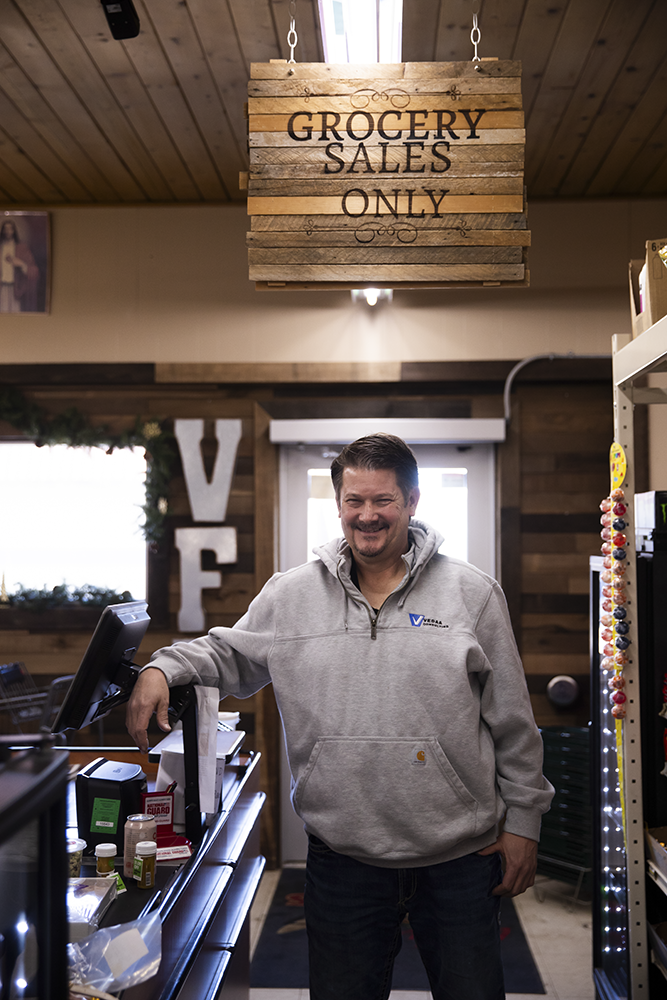
“This co-op thing? You know, we’re hoping to bring a lot more prices down, if it works like we want it to,” says Brenda McCasson, owner of Velva Fresh Foods, one of the grocery stores interested in the project.
THE LOCAL FOODS ASPECT
McCasson is also excited about the possibility of selling more local products in her store through the food hub.
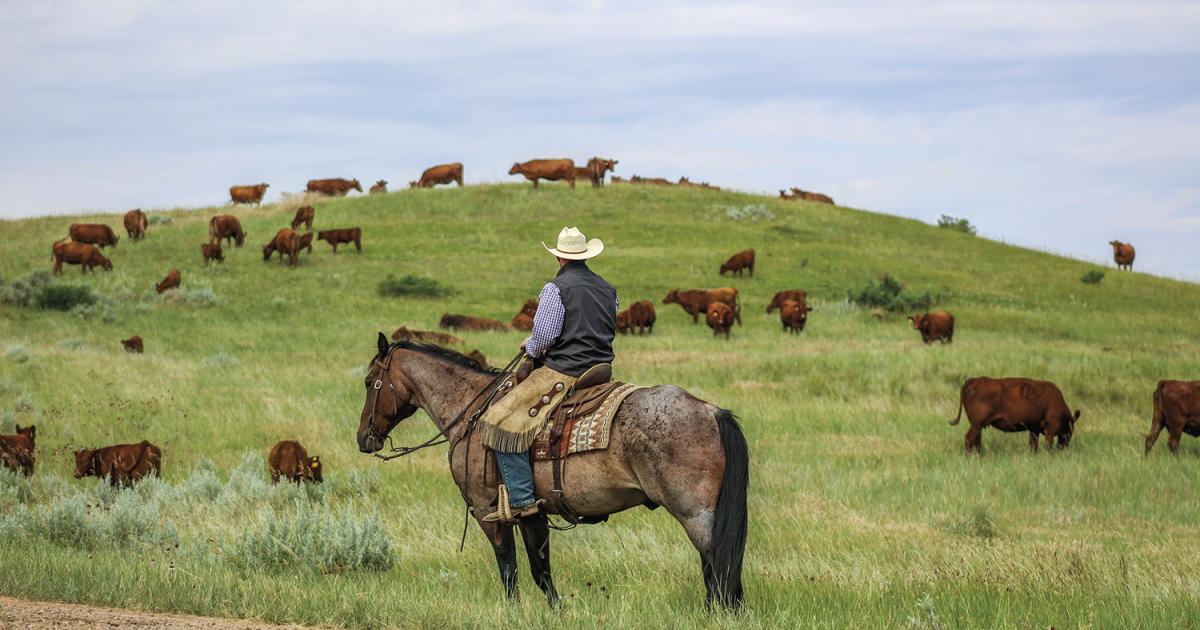
“I’m a farm kid, so I’m a huge advocate for local beef and local foods,” she says.
The project is engaging with local producers and processors who are interested in wholesale sales and the opportunities of a food hub, which could transport, aggregate, store, process, distribute and market local foods.
Charlie Hannon, who grows a variety of lettuces and root vegetables on his noncertified organic farm north of Stanley, says a food hub could alleviate much of the marketing burden farmers face.
“You would spend more time growing food and producing for your local communities and less time out selling it, marketing it, washing, packing, transporting,” he says.
“For somebody to take the time out of their day to go to a farmers market and set up and sell their produce, then maybe you get a rainy day and all that produce sets there. If it doesn’t sell, well, this is another avenue to get it sold,” Vedaa says.
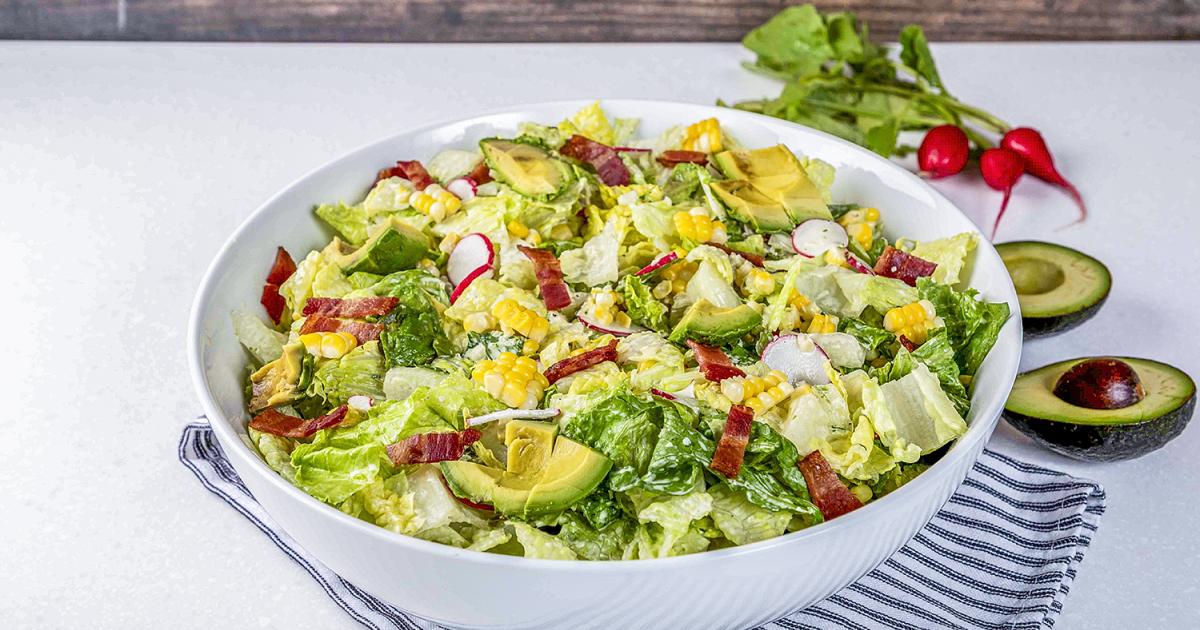
And by pooling products through the food hub, local growers can access markets that aren’t practical through farmers markets or community-supported agriculture alone. If there were enough local foods volume, products could not only be sold in local grocery stores, but marketed to restaurants, schools, hospitals and nursing homes.
“We could hand a price guide to the school or have an online ordering platform and say, ‘Here is what we have to offer,’” Vedaa says. “And I just think of all the people who would patronize a small-town grocery store or restaurant because they’re selling locally raised foods.”
THE COMMUNITY ASPECT
Though grocery stores are a major focus of the project, Vedaa sees the bigger community picture.
“You don’t see very many towns that just have a pharmacy in it or just have a hardware store in it. Grocery stores, to me, are a huge anchor business in a small town,” he says.
And as someone who kept that anchor business going in a small town and was a rural advocate in the Legislature, no one wants this win for rural America more than Vedaa.
“This is kind of like the Super Bowl for me,” he says. “If we can get this project going, then every store that’s open in North Dakota right now, we’re going to give them some hope. I think this is what rural North Dakota needs and, if this works, we can put it in a couple places in the state and in the country as well. We can have a blueprint that you can take and make it work in your community, too.”
___
Cally Peterson is editor of North Dakota Living. She can be reached at cpeterson@ndarec.com.