

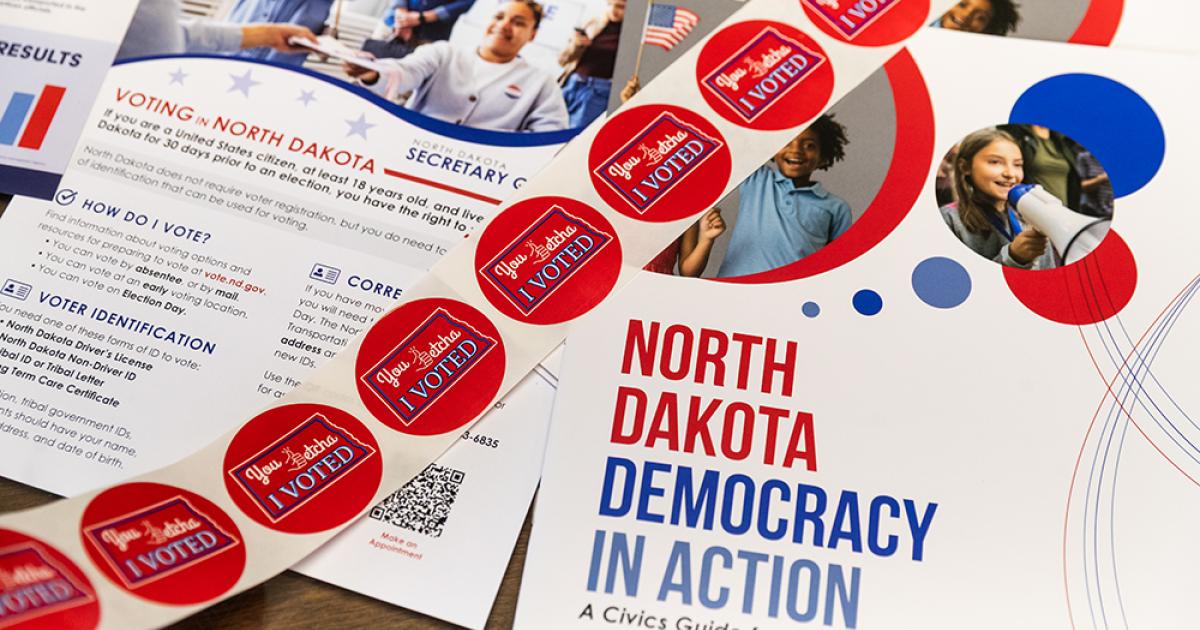
Growing up on a farm near Casselton, Michael Howe never imagined his family’s dinner conversations would inspire an initiative he would later launch as North Dakota’s secretary of state.
“My parents, I would say, are very civically engaged, and I grew up talking about policy at the kitchen table. My parents never ran for office, but we had the 6 o’clock news on during dinner, and you would hear about the events of the day,” he says.
Now, Howe encourages other North Dakotans to understand the benefits of those types of dinner table conversations.


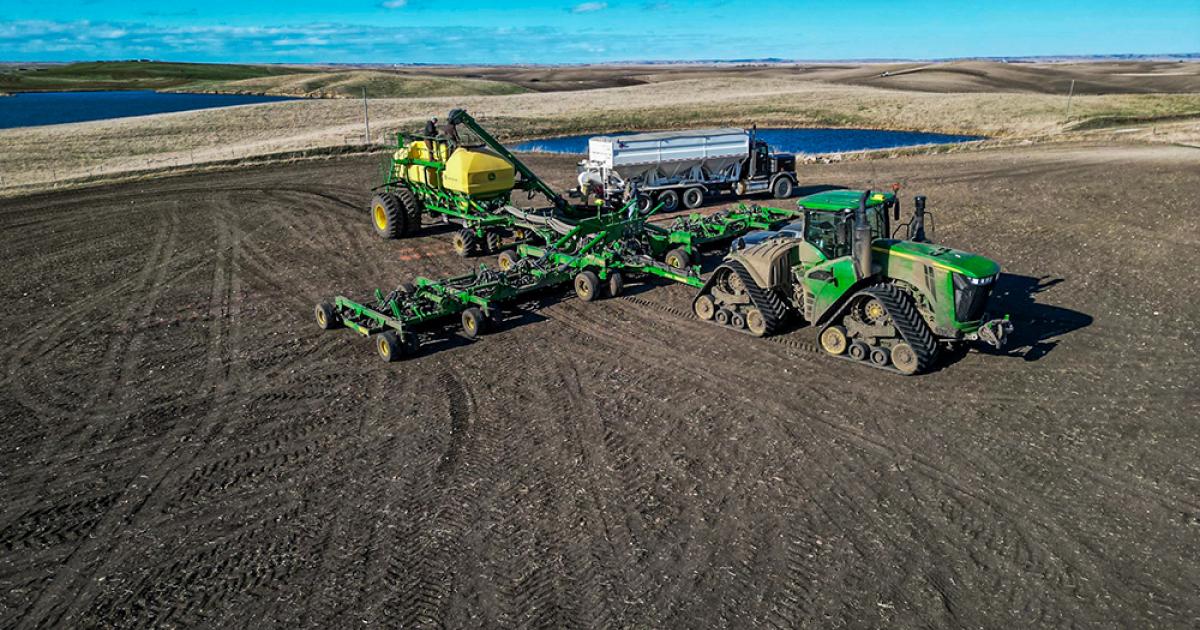
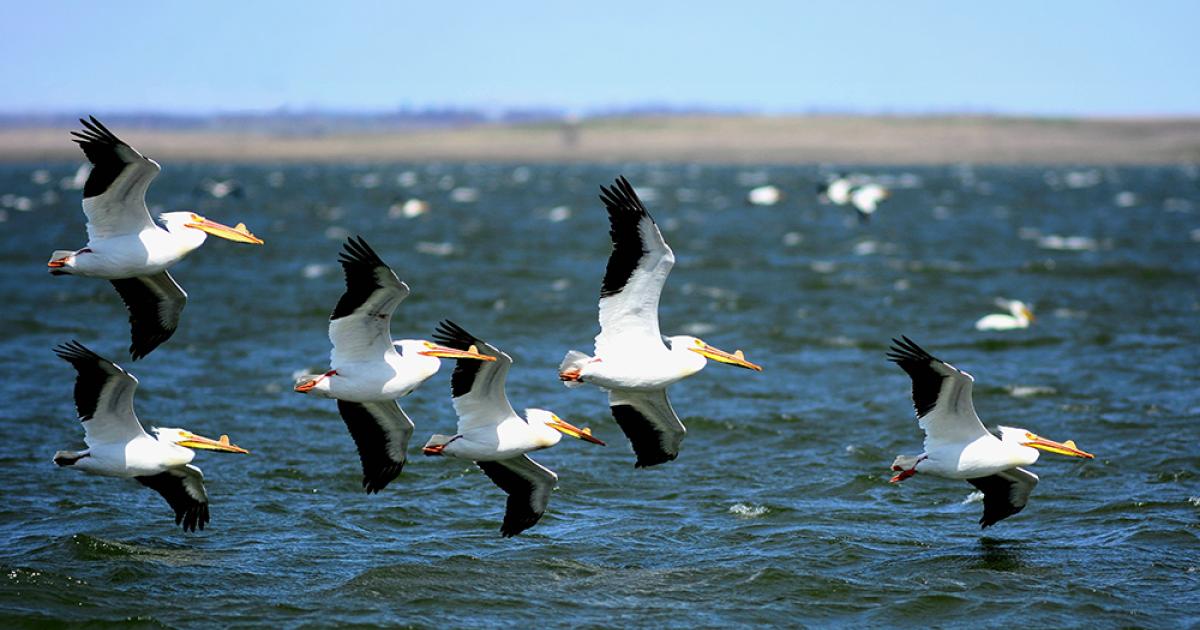
 As the United States celebrates its 250th anniversary, North Dakota joins the nation in commemorating the people, places and traditions that have shaped our country. As one of 50 states, North Dakota has its own collection of official symbols that reflect the landscapes, wildlife, agriculture and history that make our state unique.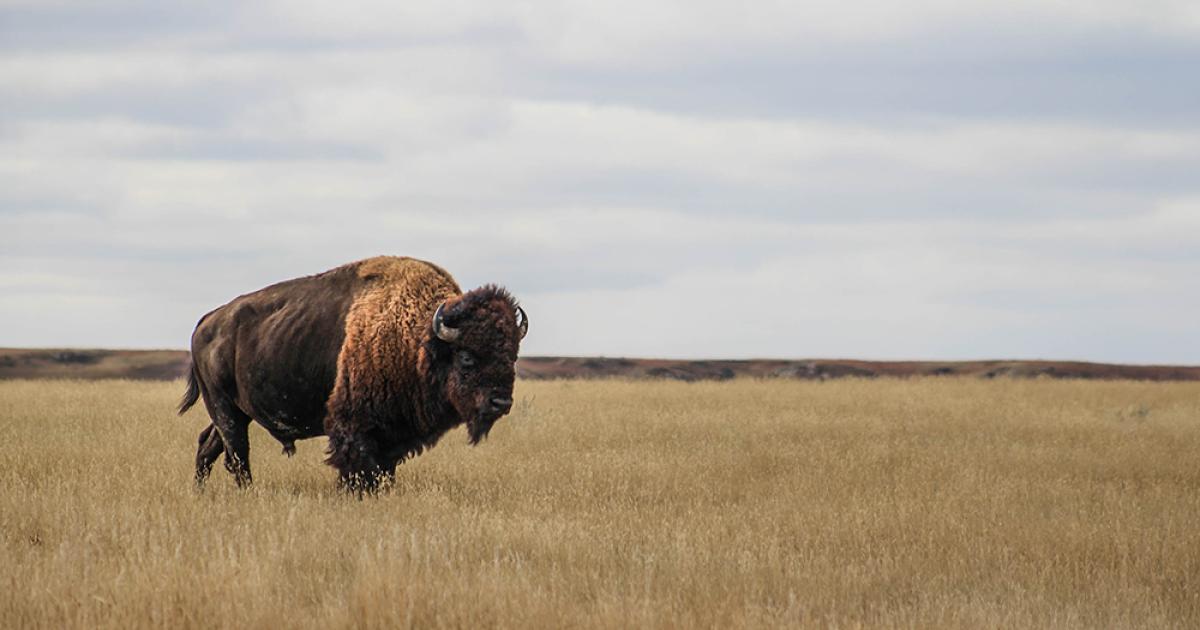
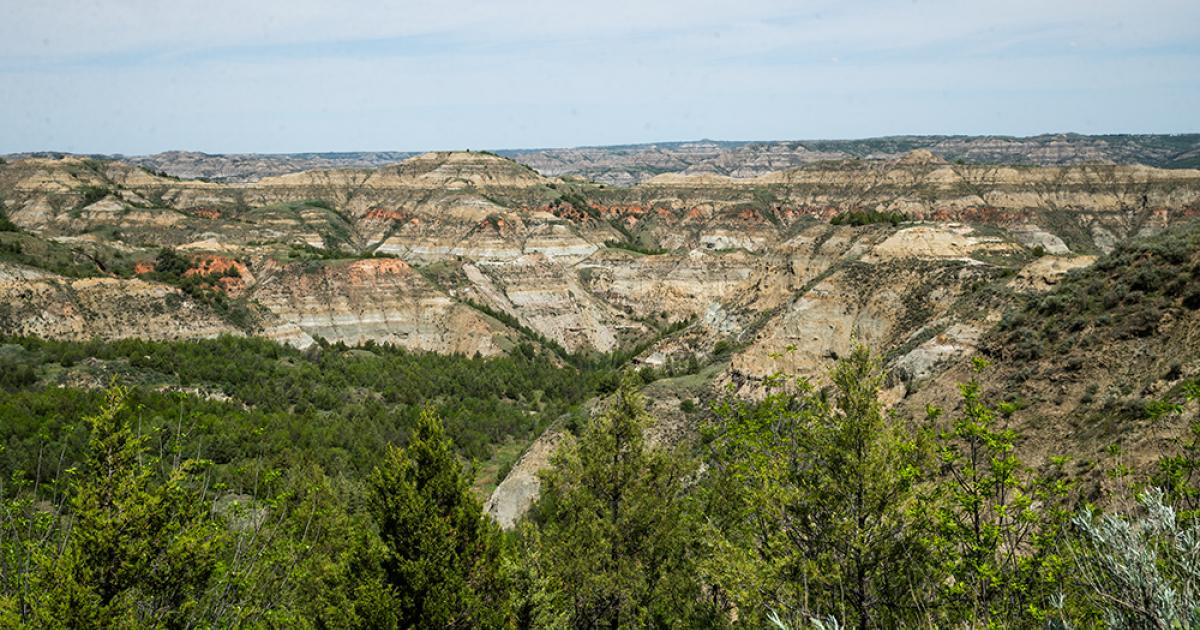
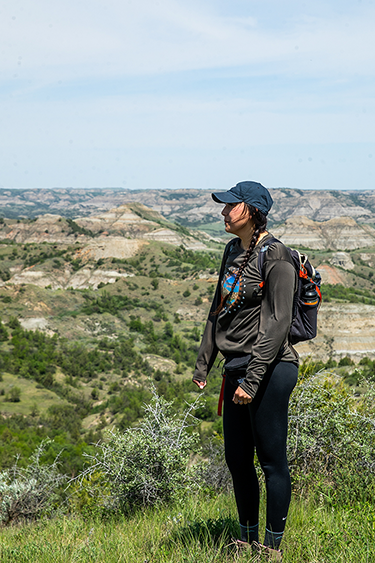
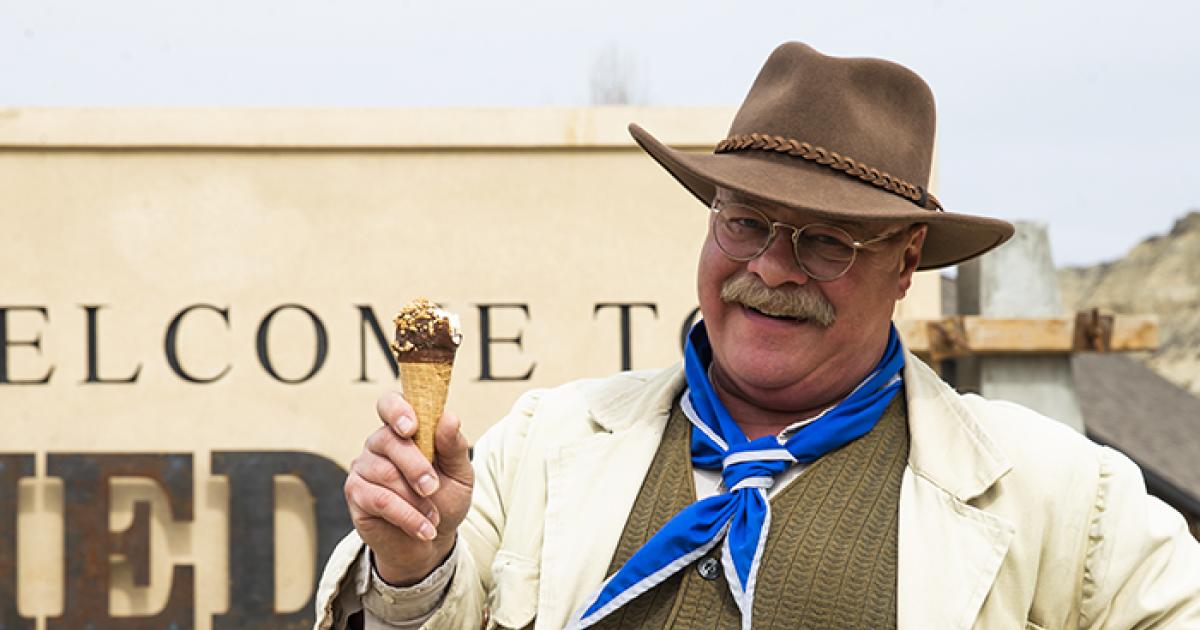
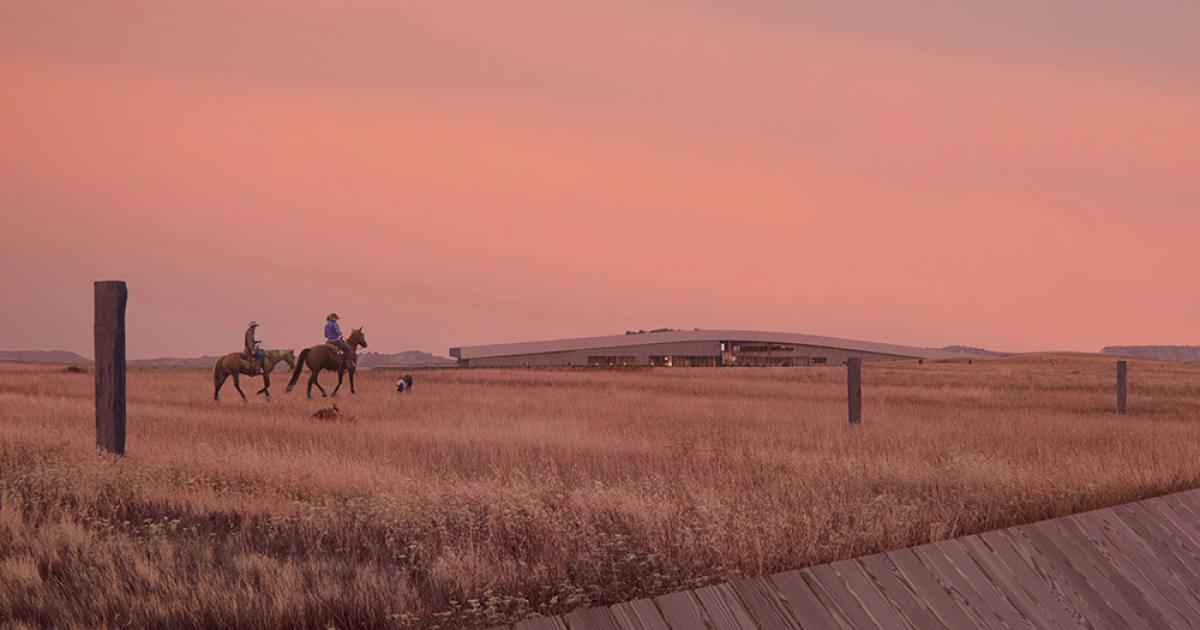
 President Theodore Roosevelt found adventure, purpose and healing in the rolling hills of the North Dakota Badlands. While Roosevelt always had an affinity for the wild world, his time in North Dakota inspired his groundbreaking conservation efforts and eventually earned him the title of America’s conservation president.