North Dakota
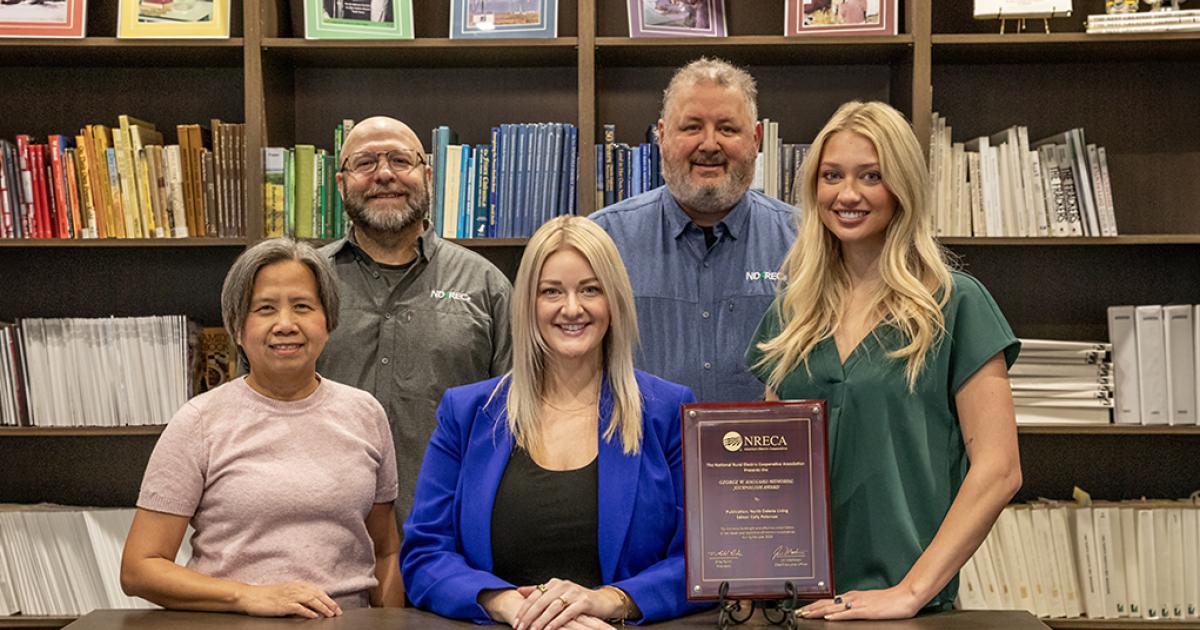
North Dakota Living has been named the 2025 George W. Haggard Memorial Journalism Award winner by the National Rural Electric Cooperative Association (NRECA). The national award recognizes the top statewide magazine in the electric cooperative network for overall quality and for supporting the national objectives of electric co-ops.
This is North Dakota Living’s 13th Haggard Award and the first for Cally Peterson, who has been editor since 2019.
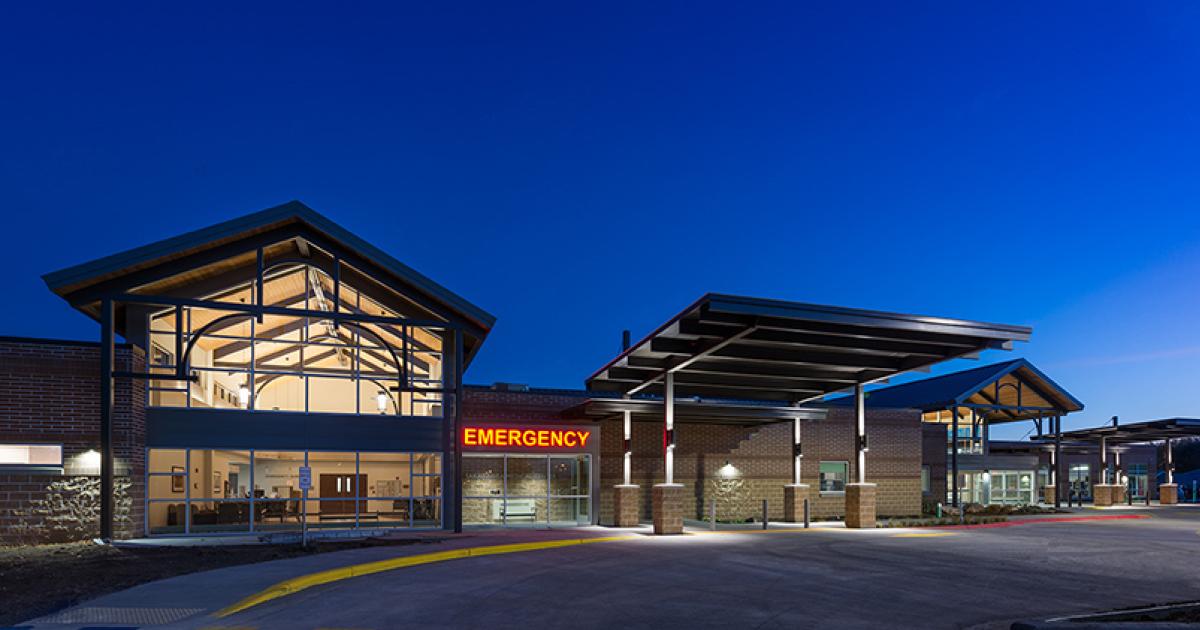
From workforce development to community walkability, North Dakota’s Rural Health Transformation Program (RHTP) provides an all-encompassing blueprint to transform rural health across the state, N.D. Health and Human Services (NDHHS) Interim Commissioner Pat Traynor says.
The five-year statewide strategy hopes to strengthen rural health care and make North Dakota the healthiest state in the nation, funded with nearly $200 million in year one and supported by the Centers for Medicare and Medicaid Services, with NDHHS as the lead agency.

I tell people I have the best job in North Dakota.
I get to tell stories about North Dakotans, about rural people and rural places, about co-ops and co-op people.
I grew up drinking the co-op Kool-Aid. My family was a Farmers Union family, which meant we were a co-op family.
My mom, Pam Musland, was even the magazine’s local pages editor for KEM Electric Cooperative when I was a little girl in Ashley. My name was first mentioned in the magazine when I was 2½ years old.

“It’s such an interesting and unusual and walled-off world for independent newspaper owners. They’re the only people in their community who do what they do, and very few people understand the sacrifices that are made and the slings and arrows that have to be dodged in order to do that for very low pay,” says Cecile Wehrman, executive director of the North Dakota Newspaper Association (NDNA).
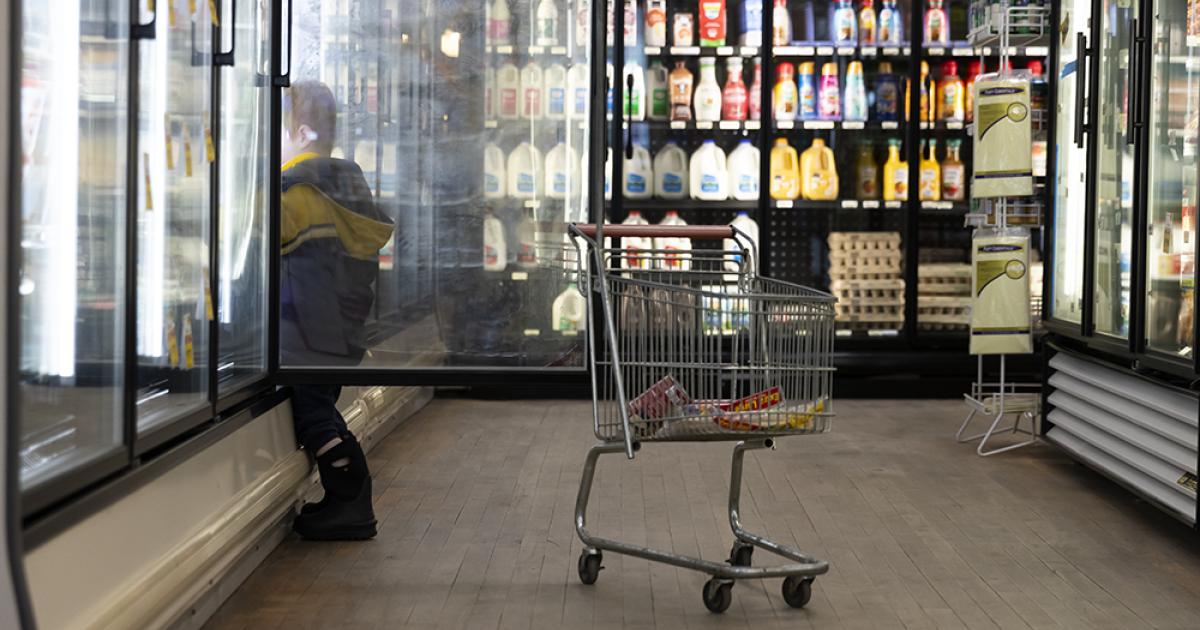
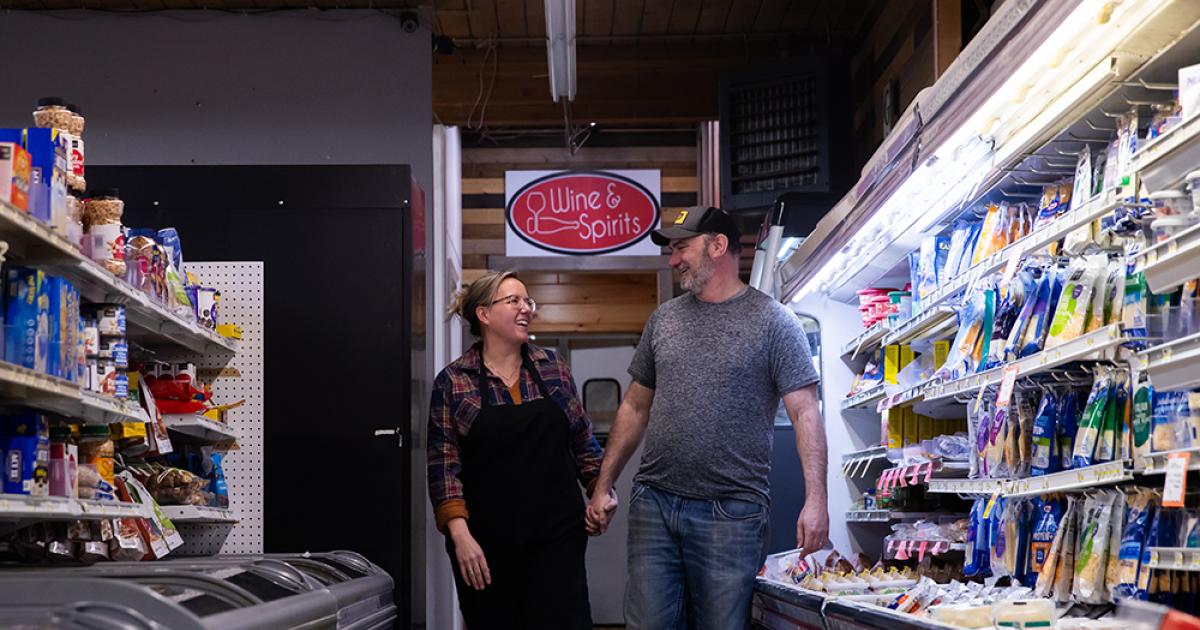
When you walk into Velva Fresh Foods, it feels like a small-town hug. You’re greeted by smiling staff and good smells – bread baking, meat smoking or whatever homemade lunch owner Brenda McCasson is whipping up that day.
McCasson and her husband, Matt, bought the grocery store in 2019 from former state legislator Shawn Vedaa, who first hired Brenda as a meat cutter in 2016.
“(Shawn) said, ‘Well, you’re basically doing everything anyway. Why don’t you just buy it?’” Brenda recalls.
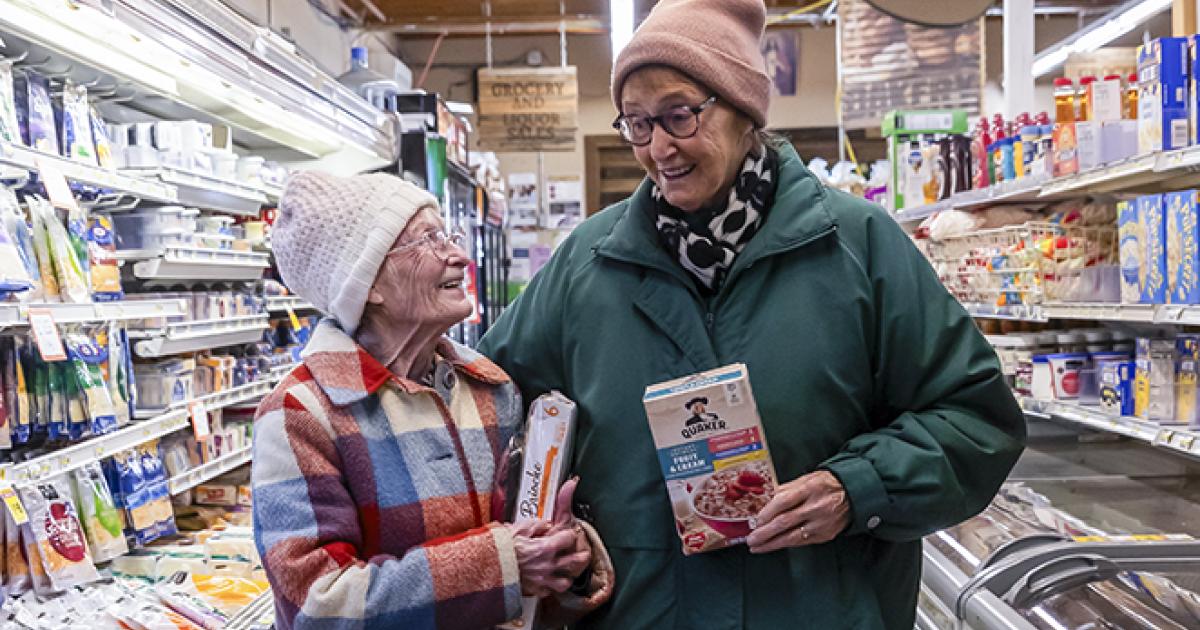
North Dakota now has less than 90 rural grocery stores, down from 137 in 2014.
Rural residents often drive 100 miles or more for basic groceries.
In Ashley, Towner, Turtle Lake, Velva and other small towns across the state, rural grocers are fighting to keep their stores operational. The margins are slim. The challenges mount. But their communities are relying on them.
So seniors don't have to drive long distances during the winter. So busy moms can stay close to home. So their small town survives.
Are these the last rural grocers?

In her 46th year of teaching, Sharon Klein remembers the first computers incorporated into her curriculum and the introduction of the internet.
Now, artificial intelligence (AI) is streaming into her classroom.
When the English teacher first encountered ChatGPT in 2023, “cheating” was her first thought, but she has changed her mind.