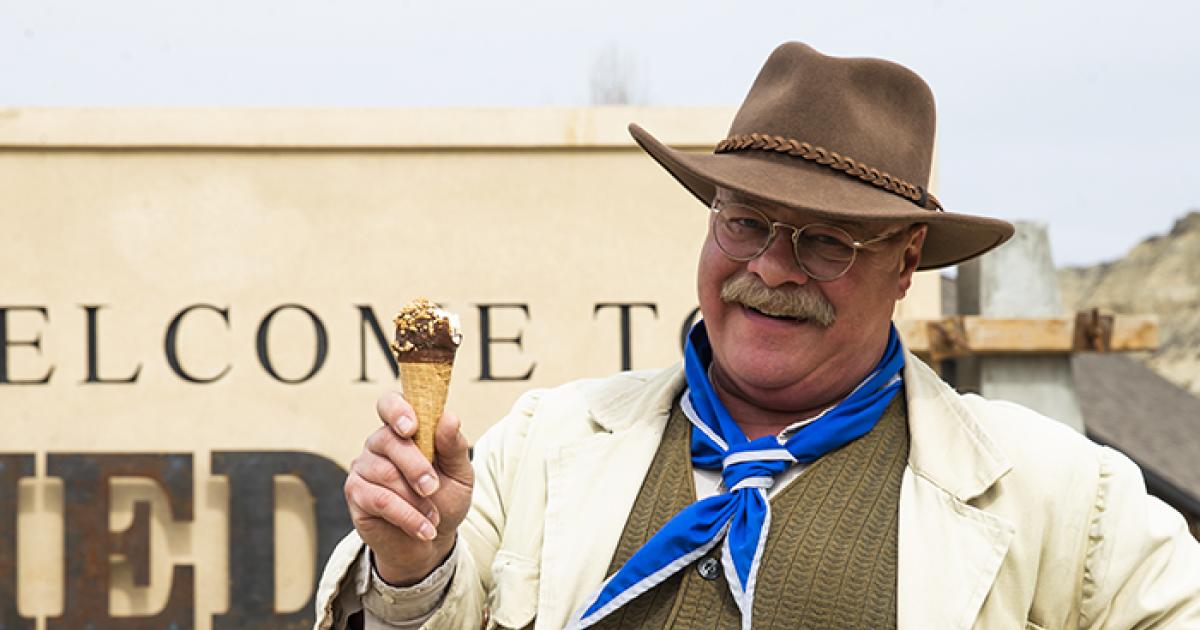

Though President Theodore Roosevelt called New York home, he was an intermittent North Dakotan. And he ate like one, too.
“The president lives very plainly. He prefers plain, wholesome food to the most elaborate menu,” the former White House chef Henry Benoit told The Lafayette Sunday Times in 1903.
One of his favorite dishes? A sirloin steak, potatoes and gravy. As a sportsman, he was also fond of all types of game, especially quail and venison. And, he had an affinity for his mother’s cooking. Relatable, right?
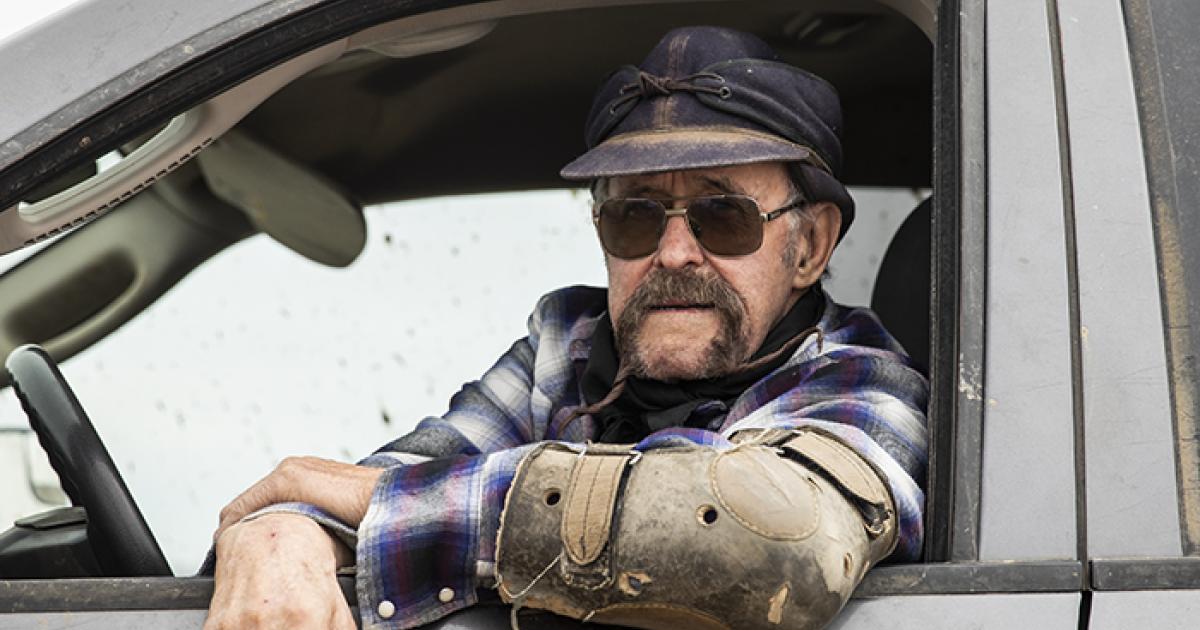
Bill Lowman says there are two kinds of cowboy poets.
There are those who love the life, but don’t have an opportunity to live it.
“We call (them) the wannabes. They’ll write the perfect cowboy poem every time to prove that they belong,” Lowman says.
The other ones live the cowboy life. Their routines are all too common.
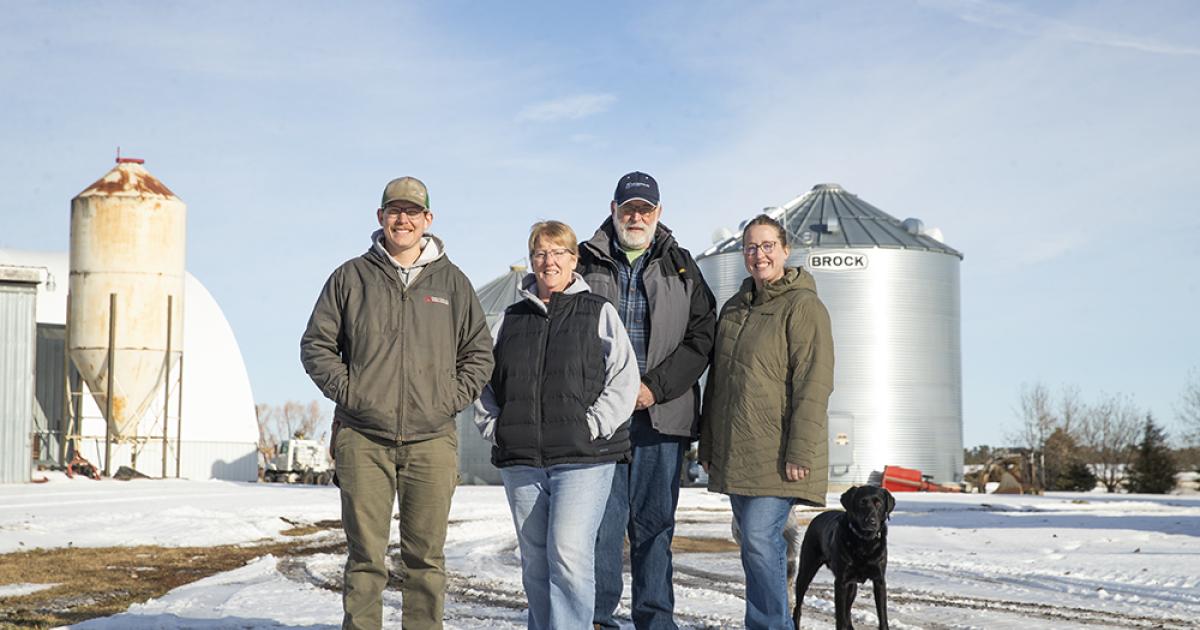
Beyond supporting North Dakota’s economy and feeding the world, farming and ranching is a lifestyle – and livelihood. It is a legacy built on generations of hard work, sacrifice and success.
To protect this legacy and family farms and ranches around the state, North Dakota State University (NDSU) Extension, in partnership with North Dakota Farmers Union (NDFU), has developed succession planning workshops to help families transition operations to the next generation.
I don’t remember ever watching my mother, grandmothers or great-grandmothers (how lucky am I to have memories of each!) use pressure cookers. I don’t have a lived traumatic pressure-cooking experience. Yet still, I am downright terrified of pressure cookers!
Why?
I hypothesize we suffer from the generational trauma of pressure cookers. Although I never directly experienced a traumatic pressure-cooker explosion, it’s possible the fear has been passed down from one generation of my family to the next.
This year, the United States has used tariffs in unprecedented ways.
In an effort to incentivize producers and consumers to manufacture and buy products in the United States – among other goals related to political negotiations and curbing the drug trade – the United States has implemented sweeping tariffs around the globe. Some target entire countries instead of specific commodities, from as low as 10% to as high as 50%.
What’s the point of tariffs? How are North Dakotans affected?
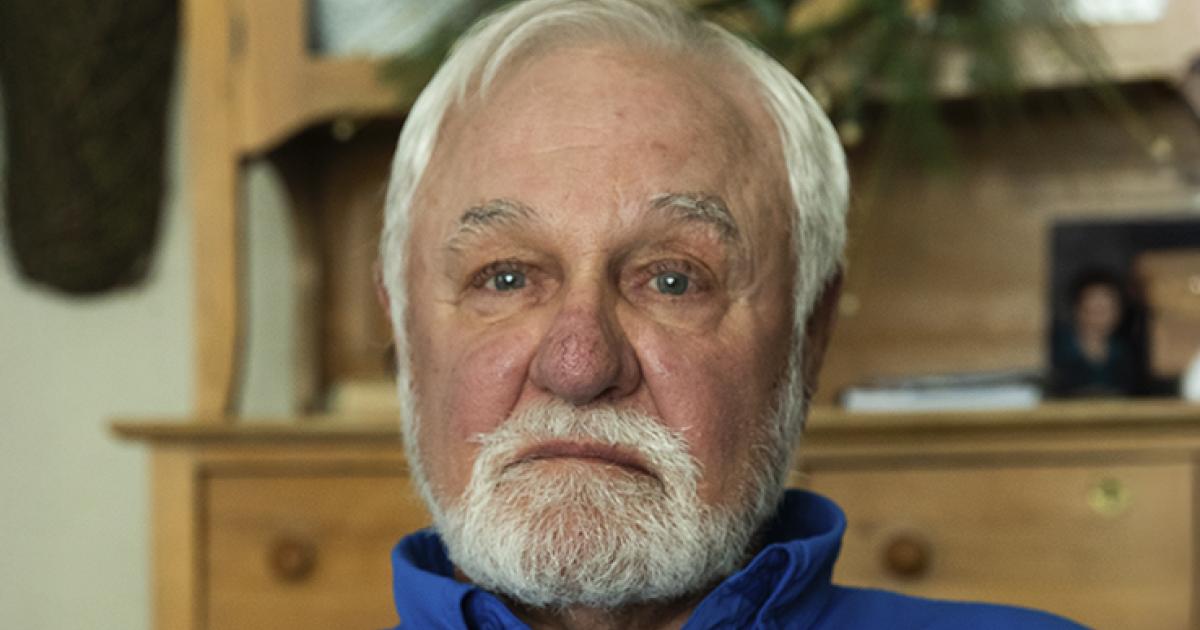
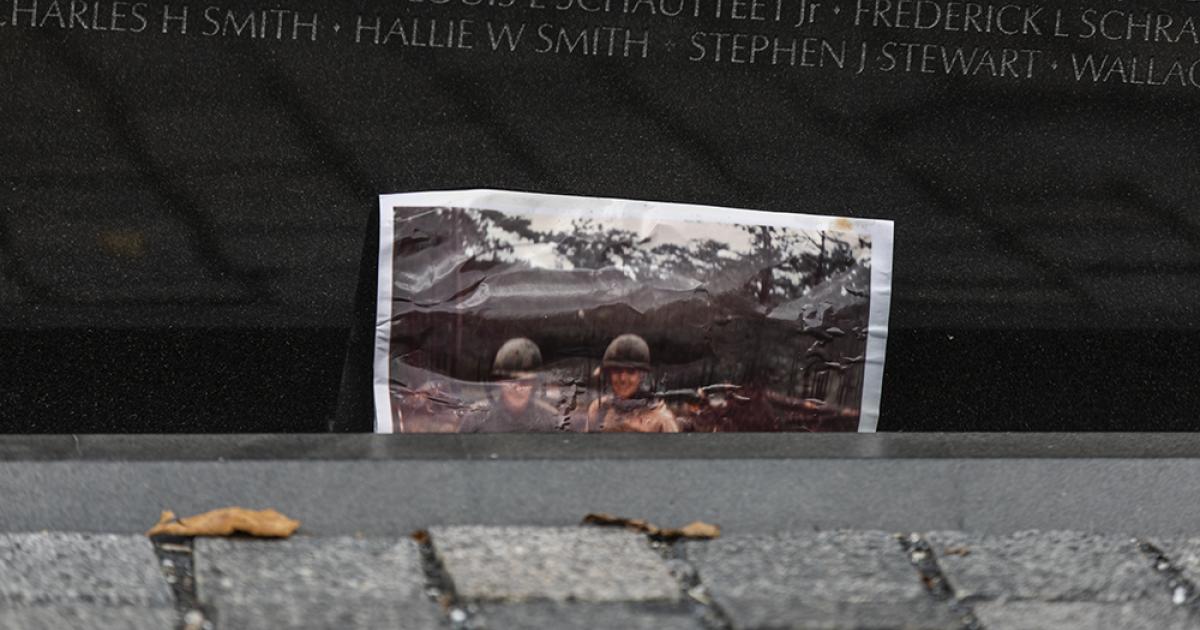
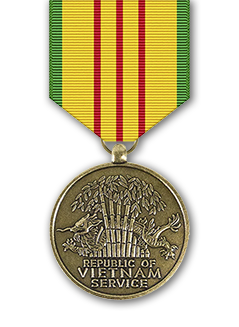
“When I left for Vietnam and flew out of Bismarck, that's the first time that I saw my dad cry,” Vietnam War veteran David “Dave” Logosz says. “My mom and dad were there, and my grandparents were there, and they were all in tears. I'm sure they didn't think I was going to come back alive.”
But he did.
“They needed people, and we were just kind of a link in a food chain,” Westhope native and Vietnam War veteran Dennis “Denny” McKechnie says. “I didn’t have a choice. I got No. 19 in the lottery, and my buddy got 18. … We knew where we were going, right?”
They were just boys when their country called them.
“I didn’t want to be there, but yet, here I am with 30 guys. They don’t want to be there neither,” Denny recalls of the plane ride to Vietnam in May 1971.
He was only 20 years old.